





 Cihat Murat Yüksel
23 min read
What is a vlog? How to vlog, types of vlogs and a vlog plan for brands
What is a vlog? We explain the types of vlogs, filming on a phone, choosing a camera, editing and music, sharing on YouTube and Instagram, and a vlog plan for brands.Pro
Contents 20 sections
A vlog, short for video blog, is a blog entry in which a person films their thoughts, opinions or experiences and publishes them online, telling the story to viewers mainly through video. Cambridge Dictionary describes the word as a “video blog”; the person who makes and publishes one is a .
When we plan a brand vlog, we settle the episode’s question, the people on camera and the publishing schedule together. Filming alone is never finished work; consent, editing, the title and post-publication measurement belong to the same plan. Before filming, we write down which side of the brand each episode shows and what the viewer should do next.
A vlog is planned not as a one-off video but as a series filmed with consent and published on a regular schedule.
What is a vlog?
A vlog is a video blog in which a person turns their thoughts, opinions or experiences into a video and publishes it online. Cambridge Dictionary’s business dictionary also describes it as a blog whose content is mostly video. As a verb, “vlog” means making and publishing one.
“Vlog” names the format; “vlogger” names the person who makes it. A working day, a production process or an experience becomes a recording that viewers watch. In a brand plan, we decide what the narrator will show and which question each scene answers.
For a working day, we choose a question such as “How does the team plan the day’s work?” and plan the scenes that carry its answer: the opening sets up the question, the middle shows the work, the closing completes the answer. That is our yardstick for which footage we need.
What does vlog stand for?
Vlog stands for video blog; in plain terms, it works as a video diary. The thoughts, opinions and experiences in Cambridge Dictionary’s definition are the basis of that description. What a written diary records in words, a vlog tells through speech and footage.
For a working day, the diary format shows events in order: preparation, the work and the day’s review. For a product experience, we follow its start, use and result instead.
“Vlog”, “daily vlog” and “video diary” share one idea: the experience is conveyed through footage. “Vlogger” is not a format; it names the maker. In a content plan, we use topic and format fields for the video, and narrator and production-role fields for the person.
What is a vlogger?
A vlogger is a person who makes and publishes vlogs; Cambridge Dictionary’s usage also describes the person who produces the content. Someone recording their own experience and someone describing a work process for a team are different uses of the same format.
When choosing the narrator for a brand vlog, we check that they can explain the work shown. The person describing a production process should know the steps; the person describing a team day should know the daily flow. We separate who stands in front of the camera from who films; when needed, one person does both.
The vlogger role is more than talking on camera: choosing the topic, deciding the scenes, reviewing footage and preparing the upload are assigned too, and a team names who handles picture, sound and the final check.
What is the difference between a vlog, a blog and a podcast?
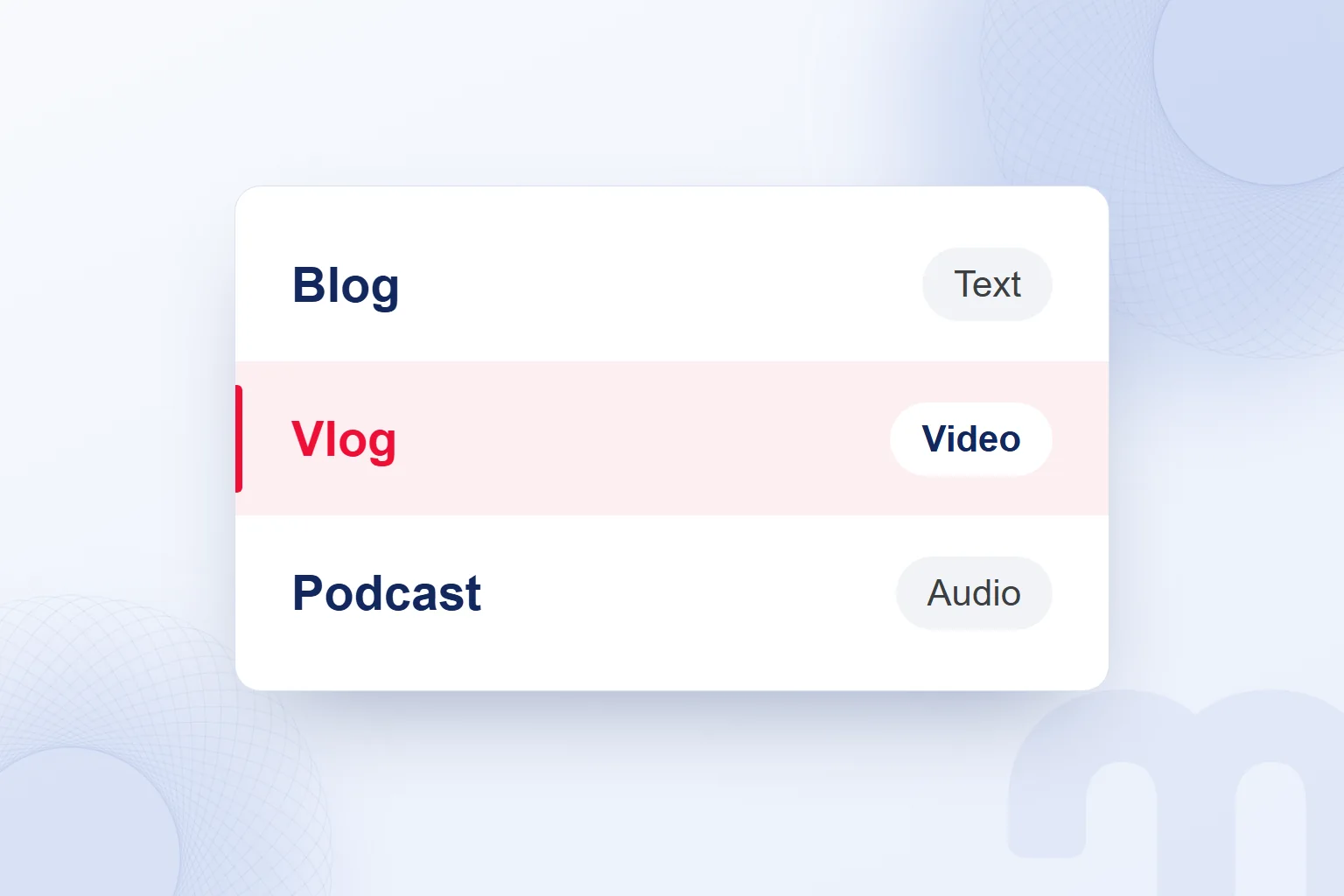
A blog tells a story in text, a vlog in video and a podcast in audio; we choose the format based on whether the subject needs to be read, seen or heard. To show how a product is used, we plan footage; to talk an idea through, audio; for explanations meant to be read, text.
| Format | How it tells the story | Where it is published | When we choose it |
|---|---|---|---|
| Blog | In text | On a website | When explaining a subject in readable detail |
| Vlog | In video | On video platforms | When showing a process or how something is used |
| Podcast | In audio | On podcast platforms | When conveying a subject through conversation |
For any subject, we ask what the viewer needs to see. If we are explaining how a job is done, the footage follows that job. We cover how audio-led publishing works in our podcast guide.
The episode’s question sets the level of detail. In a vlog, we plan the speech together with the work on screen, so viewers know which stage they have reached.
What are the types of vlogs?
Vlogs are grouped by subject: daily life, short experiences, travel, village life, beauty, product reviews, events and behind the scenes. For a brand, we write next to each type the work the viewer will see and the question the episode answers, which turns a type into a filming decision.
| Type | What it covers | Suitable for a brand? |
|---|---|---|
| Daily vlog | The tasks, experiences and flow of one day | Yes; for a team day or a working routine. |
| Mini vlog | One experience or a brief process, summarized | Yes; to cover a narrow subject briefly. |
| Travel vlog | A journey, a city or a place | When there is a work-related visit or location. |
| Village life vlog | Everyday life and work in a village | When the subject is the brand’s real working environment. |
| Makeup / beauty vlog | The flow of a skincare or makeup routine | When showing how a related product is used. |
| Product / review vlog | Preparing and using a product, and the experience | Yes; to show the real process of use. |
| Event / “vlog day” | The experience of a specific day or event | Yes; we follow preparation, event and wrap-up. |
| Behind-the-scenes vlog | The preparation and effort behind a result | Yes; we show production and teamwork. |
A daily vlog carries the flow of a day; a mini vlog, one short experience. A team day might include preparation, work and review, while a mini episode covers only setting up the filming area. When moving to a short format, we narrow the subject; we do not squeeze the whole day by cutting faster.
In a travel vlog the journey and place come first; in a village life vlog, everyday work. For a city visit, we connect the place to the brand’s work and choose the question accordingly. Village life content is planned around a real setting and real activity; we never build a lifestyle story outside the brand’s experience just because a type looks appealing.
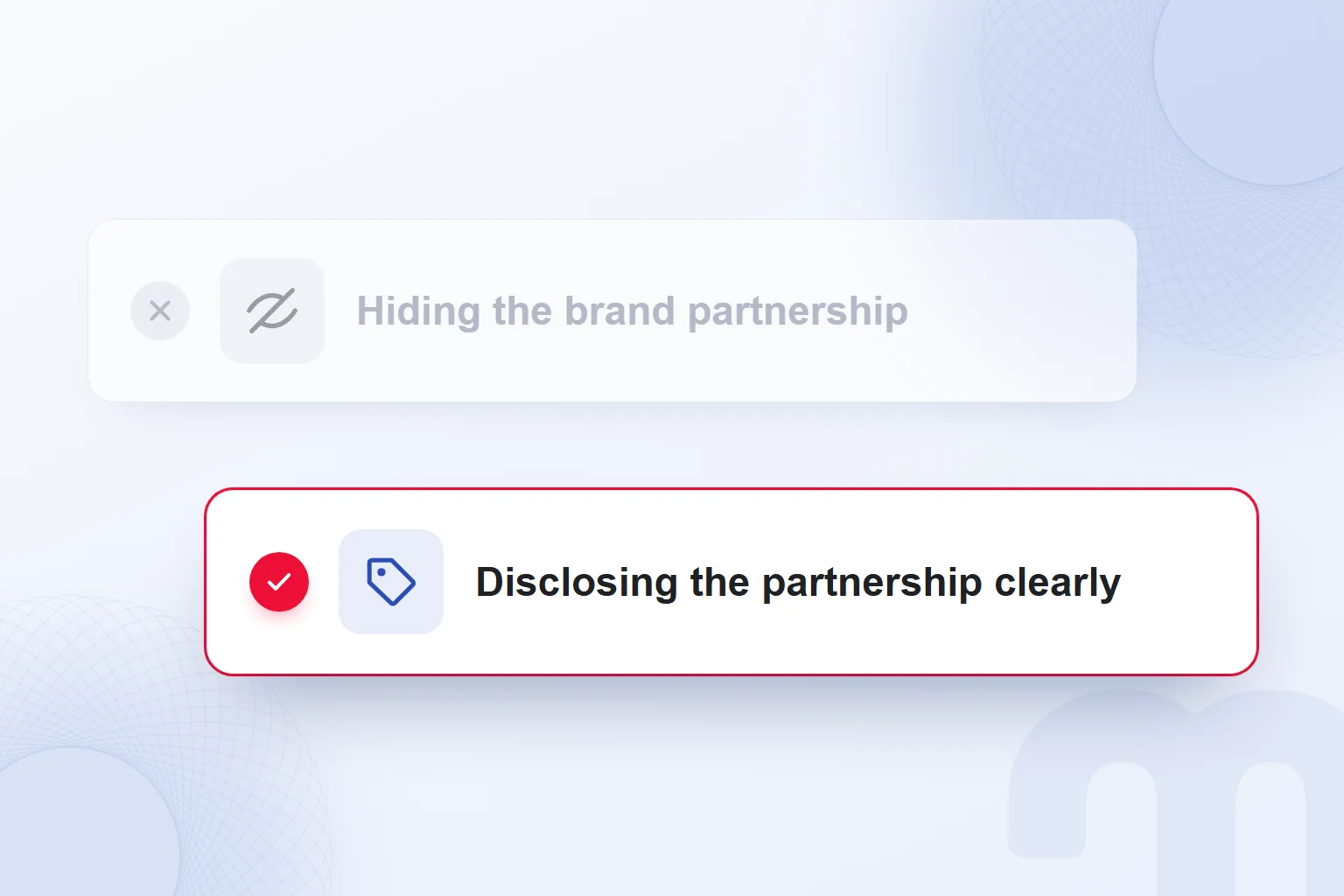
Makeup, beauty and product review vlogs center on application and personal experience. We separate the preparation, the application and the experience the narrator shares, and never describe an application that was not shown on camera. A partnership is disclosed, not hidden inside the everyday narrative.
An event vlog covers the preparation for an event and the day itself. Before the venue footage, we explain what was planned; at the close, what was completed. We use “vlog day” as an episode name and add short explanations so viewers know which stage the narrator has reached.
A behind-the-scenes vlog shows the preparation and roles behind finished work. Preparing a product for a shoot and running the shoot are separate episodes: one shows preparation, the other the division of roles. Two episodes from the same material each get their own question; republishing the same scenes with the same commentary is never the plan.
We also check the material: are the people on camera confirmed, can the stages be filmed, are consents in place? If not, preparation comes first. The type and the choice between Shorts and Reels go on separate lines of the plan.
How do brands use vlogs?
Brands use vlogs to show their production process, team, working day, events and how a product is used. Behind-the-scenes footage, trade fairs and customer visits filmed with permission also make good episodes. We match each option with the result the brand expects.
Each goal has its own answer:
- Goal: awareness → We plan vlogs showing the team and what happens behind the scenes, making the brand’s work visible.
- Goal: trust → We show the product in use, or a customer visit filmed with permission, and build the story on a real process.
- Goal: sales → We present the product in real use and link the relevant product page in the description.
Then we set the episode’s boundaries: a team vlog follows the work tied to the chosen question, an event vlog keeps only footage that moves the subject forward.
For product use, the shot plan names the operation to show; for a customer visit, the subject and people on camera are settled in advance. The goal shapes scene selection from the start.
Vlog ideas for brands
We draw vlog ideas for brands from the work being done, the processes that can be shown and the questions customers ask. Each idea becomes a filmable episode question, with the person on camera and the work to show chosen together. We narrow the ideas below to fit the real routine.
- Behind the scenes: How a filming area is prepared, how tasks are shared and the check before recording, in one episode.
- How a product is made: The production stages we may film, telling a product’s real journey from preparation to completion.
- Team day: How team members plan a chosen task, carry it out together and review it at the end of the day.
- Event preparation: Packing materials, setting up the space and the final check before opening, tied to one question.
- Answering a customer question: A common usage question answered hands-on at the product, showing the details that matter.
- City or location: The purpose of a work-related visit, the work done on site and what was completed.
- Installation diary: The preparation, the necessary stages of the work and the check before use, followed on camera.
- Product-in-use day: How we use the product on a real job, the preparation it took and the stages we show.
- Customer visit with consent: With the customer’s approval, the subject, the question and the people on camera are set in advance.
- Trade fair diary: The fair day built around preparation, consented footage with visitors and an end-of-day review.
We keep the first episode’s shot list short. If “team day” is too broad, we focus on the moment the day’s work is planned; if “how a product is made” does not fit one episode, each stage gets its own question. How well the work will be understood decides how we split episodes, not how much footage we have.
How do you film a vlog?
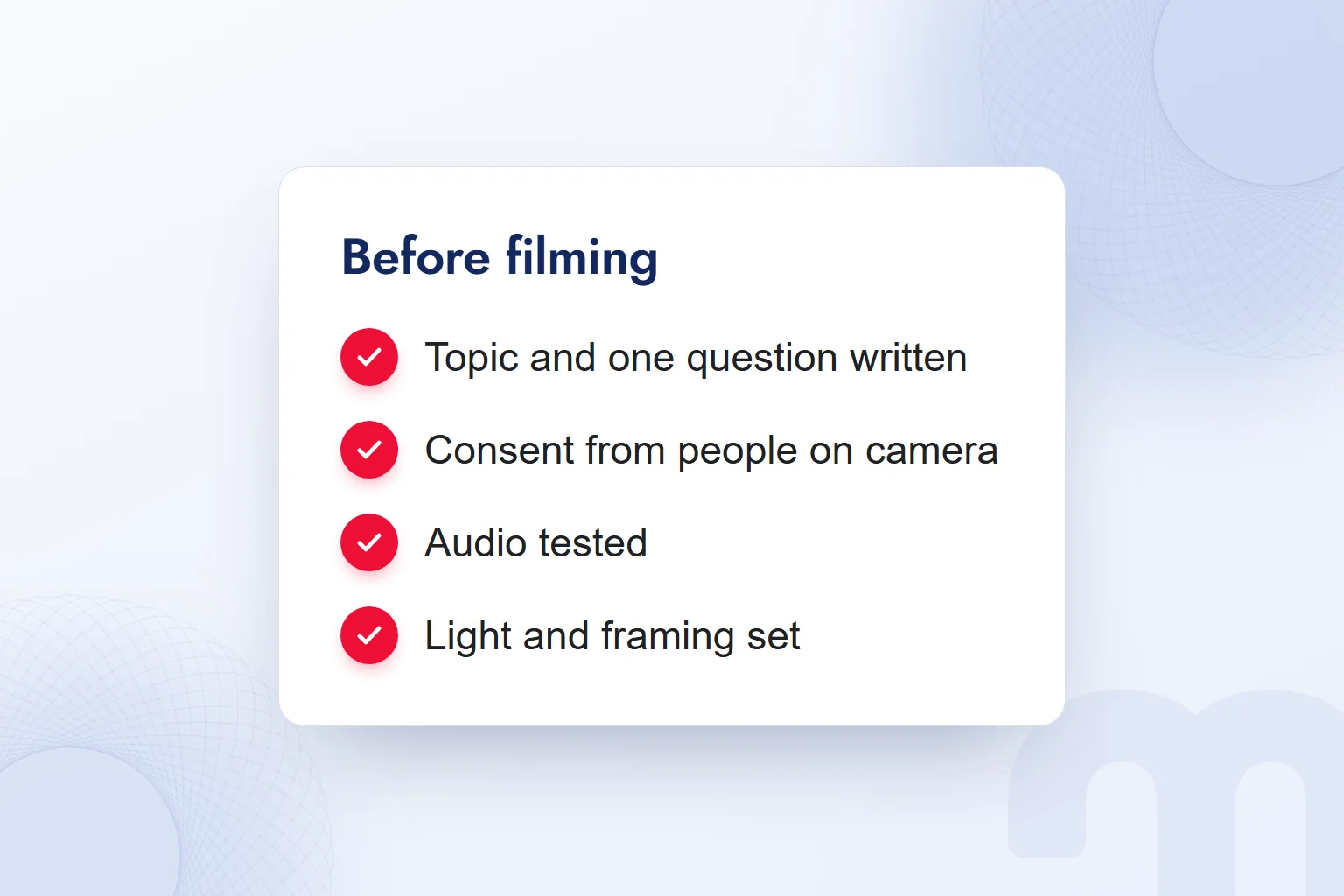
We plan a vlog around one question, film it with the consent of the people who appear, check sound and picture, then edit and publish. The filming order covers preparation, recording and publishing.
- We write the topic and the one question the vlog will answerWe state in one clear sentence what will be answered by the end.
- We outline the opening, middle and closingThe opening shows the subject, the middle lines up the scenes, the closing completes the answer.
- We get consent from the people who will appearWe review footage of customers, employees and visitors against the publishing plan.
- We test sound and light before filmingWe play back a test recording and check that the work and the person are clear.
- We cut unnecessary parts and add subtitlesWe remove repetition, keep the meaning intact and read subtitles against the picture.
- We publish with a title, description and thumbnail, then read watch timeWe match the title to the question, complete the description and check where viewers drop off.
Before filming, we make a short test and watch it together: can the speech be heard, does the light show both the narrator and the work? Problems are fixed before the real recording.
For a product-use episode, we open with “How do we prepare this product for use?”, show the preparation and match the speech to the work. At the close, we complete the answer and mention the product page in the description. We film only the scenes that describe the chosen preparation, not every product feature, and check in the edit that speech and action run in the same order.
In , we compare each scene with the episode’s question and remove repetition that does not move the answer forward. The topic promised in the title and thumbnail matches the answer in the video, and the description and any call to action are read as part of the same whole.
How do you film a vlog on your phone?
To film a vlog on a phone, we choose vertical or horizontal framing for the publishing format, keep the phone steady, and make sure the speech is audible and the work visible. We take a short test recording in the same spot, then watch and listen to decide what to change.
First, the orientation. For Shorts we plan vertical footage; for a long video, the scene decides the framing. If one subject will appear in several formats, we plan where the narrator and the work sit in each frame, and check that cropping horizontal footage to vertical does not cut out key actions.
We test the phone’s position with the speech. At a table, the hands, the product and the key detail should be visible. In speech to camera the face comes first; during the application, the work. Rather than turning the phone mid-sentence, we record explanation and application separately and join them in the edit.
For steady shots, the phone goes on a support. In the test, we watch for drift and whether the narrator leaves the frame. Handheld movement is limited to what the episode needs; we separate walking shots from detail shots and stop to reframe for the detail.
We change the sound setup to suit the environment:
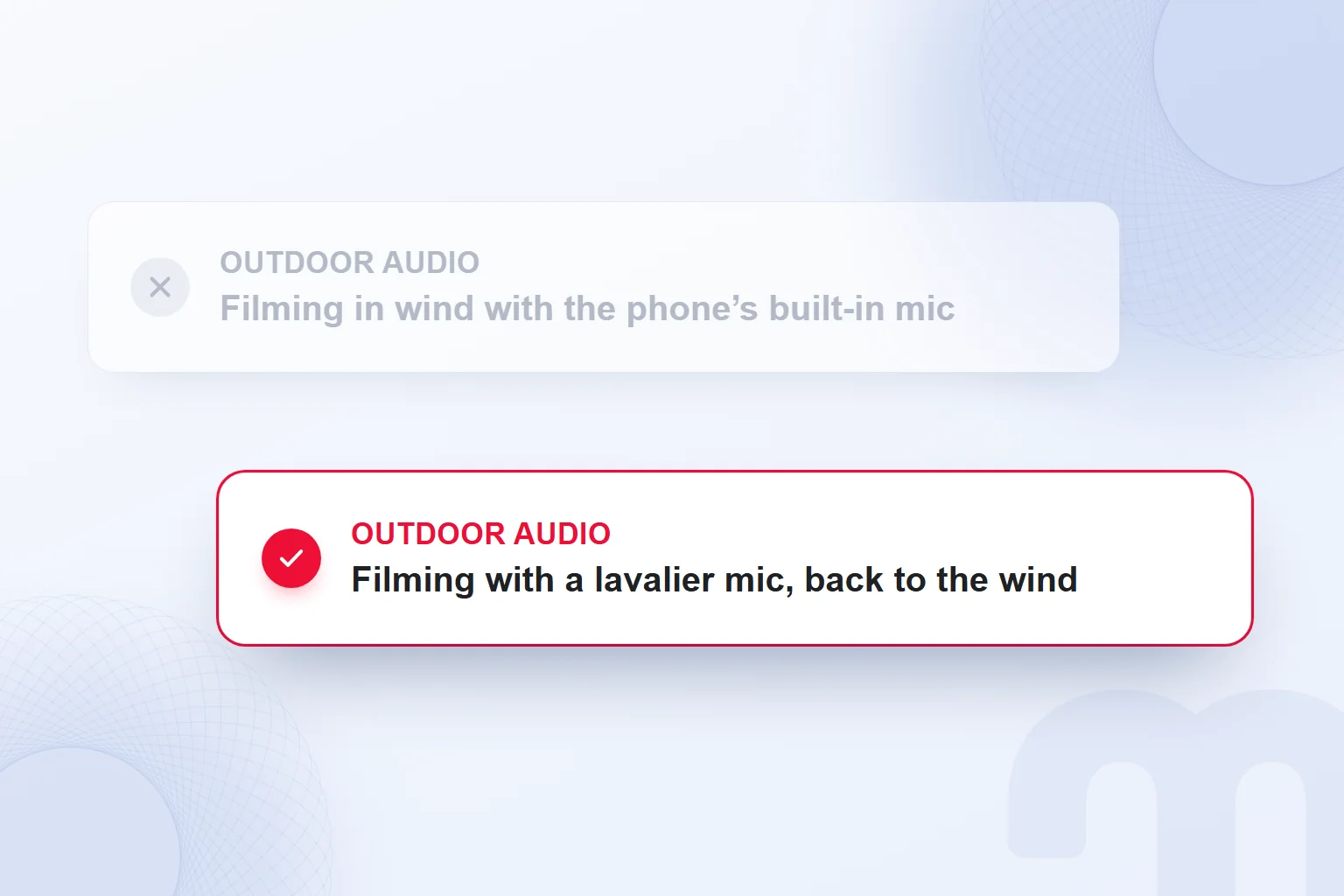
- Outdoors, in the wind → We try a lavalier mic with our back to the wind and listen back to check the speech is clear.
- Talking indoors → We listen to the room and adjust the phone-to-speaker distance and the mic position from a test recording.
- Filming on the move → We test the grip and the walk in a short clip and choose the setup where both picture and speech can be followed.
Attaching equipment is never the whole sound check. We listen to the lavalier test too, and if the problem persists, we move the talking elsewhere. Windy footage need not be filmed while talking; we can record the ambient shots separately and the explanation in a quieter place.
We check the light on the work itself. If the narrator’s face is lit but the operation on the table is dark, we move the phone, the person or the work area. If one part of a scene is lit and another loses detail, that operation gets its own shot.
In an installation diary, we record the parts being prepared, the part being fitted, then the final check, knowing what each recording will show. Filming alone, we test the framing first and check the detail afterwards.
We review footage as the shot list progresses, take any missing close-up before packing up, and note which footage each re-recorded explanation pairs with. A setup that worked is noted for the next episode, but when the location or the work changes, we test again.
What should you look for in a vlogging camera?
When choosing a vlogging camera, we assess image stabilization, a front-facing screen, a microphone input and battery use against the filming style. First, we decide which problem a separate camera should solve: we list the sound, framing or movement gaps seen in our test recording and tie the criteria to that list.
We test stabilization in moving shots. We use the walk and grip we will really use and watch the result. A feature on a spec sheet is not enough; the product, person or place must stay followable while moving. For a fixed table setup, we assess separately how the camera will be positioned.
We assess the front screen in a solo setup. Can the person on camera check the framing, and does the work stay in frame when they use their hands? We test sitting or standing, as in the real episode. If someone else operates the camera, that division of roles is part of the test.
We check the mic input with the chosen sound setup. We confirm the mic connects and that the test captures sound, then record the speaker changing position. In review, we listen rather than just watch, noting unclear words and how ambient sound sits against the speech.
We plan the battery around the shoot. A fixed table shot and a full event day outdoors need different preparation. We check the battery before filming, plan breaks and allow for retakes. When comparing the manufacturer’s battery information with our routine, we do not assume a single running time.
To compare setups, we film the same sample scene for speech, for the work and, if planned, for movement.
The comparison note answers four questions: Which detail is lost in movement? Can the framing be seen on the front screen when filming solo? Is the speech clear with the chosen mic? How does battery preparation fit the breaks? Instead of “good” or “bad”, we write the scene and the fix needed.
If the product leaves the frame when the narrator picks it up, the note reads “reframe when the product is lifted”; if the speech is unclear in the same take, sound gets a separate note. We never try to fix a picture problem with a microphone or a sound problem with a screen.
The person who will use the setup runs the test themselves; in a team, operator and narrator rehearse together. Before buying, this confirms the planned way of working is practical.
How do you edit a vlog and choose music?
When editing a vlog, we arrange scenes in the order that answers the episode’s question and choose music for the role of the speech and the footage. The first edit check is made without music; we never cover an unclear step with music instead of fixing the explanation.
First, we put the opening, the progress of the work and the closing side by side, and check that what the opening mentions is shown later. If a stage is missing, we find or reshoot it. Reordering never shows the work differently from how it was done.
Next, we remove repetition and off-topic talk, and listen to how each cut connects. If shortening an explanation changes its meaning, we rework the cut. Subtitles are checked against the final speech, especially the names of operations against what is on screen.
For music, we consider the YouTube Studio Audio Library options described in YouTube Help. The library offers production music and sound effects for use in videos, downloadable as MP3 files. YouTube describes this content as copyright-free music and sound effects. When choosing a track, we check the license type and whether attribution is required.
Tracks under a Creative Commons license require attribution to the artist in the description. According to YouTube Help, the attribution text comes from the “License type” column in the Audio Library, and we add it to the video description. The “Attribution not required” filter helps search on that basis; regardless of the filter, we check the entry at final selection.
If we swap a track during the edit, the attribution is updated; the final check confirms that the music in the video and the track details in the description match.
We try music first on a talking scene and lower or remove it where speech gets hard to follow, protecting any product sound that needs to be heard.
In an event vlog, music goes under the preparation footage and speech comes forward for explanations; music never suggests something that is not in the footage.
For a version on another platform, we assess the music terms for that platform separately; the YouTube Audio Library terms do not mean unlimited use everywhere. At handover, we record which music was used and which attribution goes in the description.
How do you share a vlog on YouTube and Instagram?
On YouTube we share a vlog as a long video or as Shorts, on Instagram as Reels, and adjust the episode’s scope to the format. When publishing one subject in several places, we check the title, framing, speech and closing together. A short clip taken from a long video must make sense on its own.
How do you prepare a long vlog for YouTube?
In a long vlog, we build a flow covering the episode’s question, the scenes needed and their explanations. For a production process, we choose footage that lets the viewer follow preparation, application and result. Running time is never a target to fill; every scene needs a reason.
The title describes the experience clearly, and the thumbnail topic matches the work shown at the opening. The description states the episode’s scope and, if a product was shown in use, links the relevant page. If something named in the title is not in the video, we realign title and content first.
Before publishing, we ask whether a stranger would follow the subject; a line like “we got this ready” gets context: which place, prepared for what.
How do you share a vlog as YouTube Shorts?
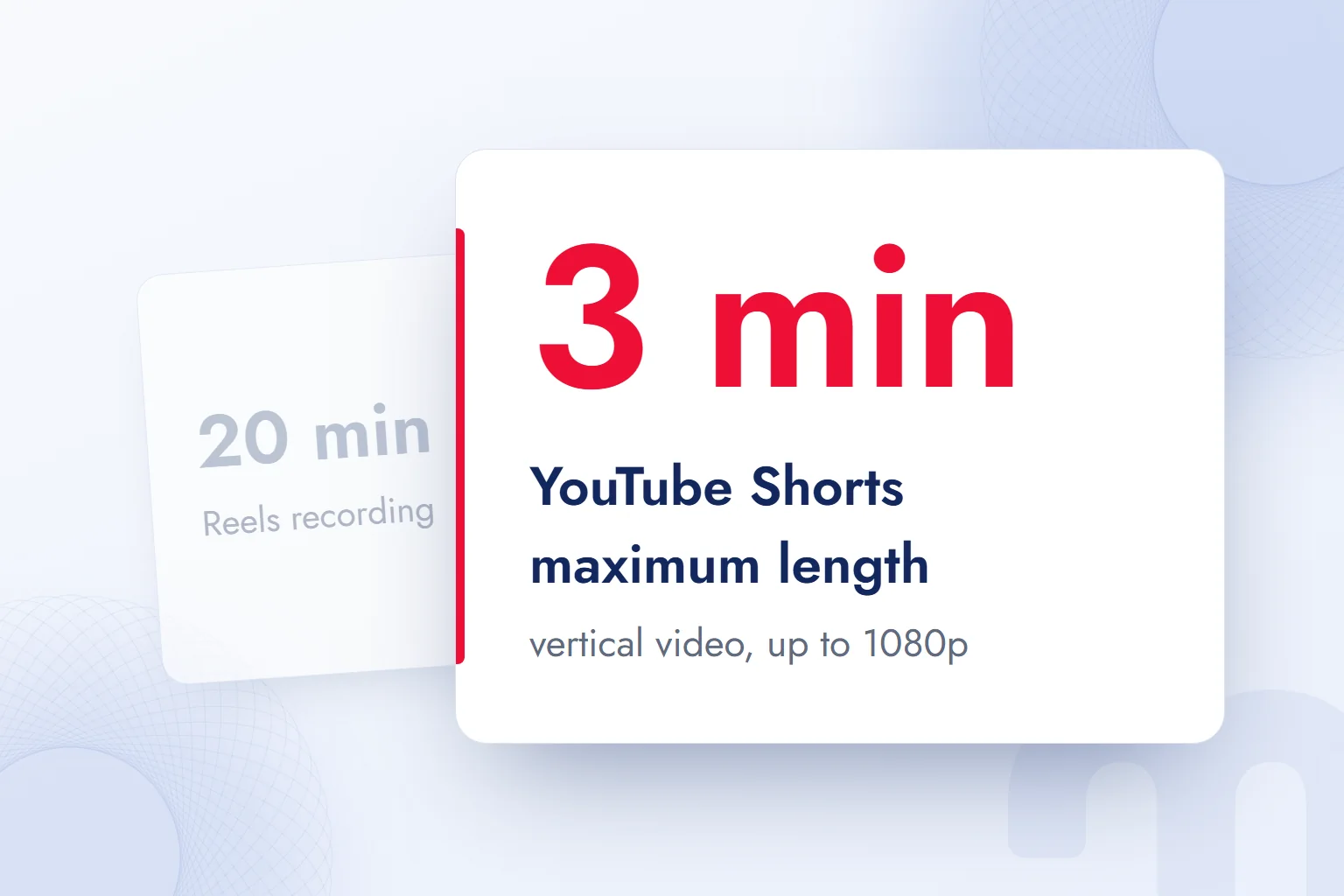
According to YouTube Help, Shorts are vertical videos of up to 3 minutes, with a maximum resolution of 1080p. Vertical videos can be uploaded as Shorts. For a mini vlog in this format, we choose one operation or experience and give the background and the result within the short flow.
When cutting Shorts from a long vlog, we first write the question the short episode will answer. If we chose the preparation moment from an event, the title is about the preparation. Instead of trimming the long video’s opening and leaving the rest, we give the chosen scene its own opening and closing.
We check that the narrator and the work both fit the vertical frame. If a clip from horizontal footage loses the area where the product is used, we choose other footage or reshoot. Subtitles are checked in the final framing, not in an earlier version in the editor.
The Shorts limit is not a target to fill; once the experience is complete, we close. A subject needing more explanation is linked to the long version, but the short episode still gives its own full answer.
How do you share a vlog as Instagram Reels?
According to Instagram Help, Reels of up to 20 minutes can be recorded, but Reels longer than 3 minutes are not recommended to new audiences. We treat the recording limit and the recommendation condition separately; for a mini vlog aimed at new viewers, we edit with this in mind, and never treat staying within the length as a guarantee of being recommended.
For Reels, we reread explanations carried over from the long video. If “this one” points to a product shown earlier and would be unclear to a first-time viewer, we add footage showing what the product is. The topic title and the first scene are reviewed together.
A full team day can be the long vlog and that day’s filming preparation the mini vlog; the short version narrows the scope, so its title never claims the same scope.
Before sharing, we compare the final file with the format: is the length right, the orientation correct, the speech complete, the description link and any attribution in place? In an episode with a partnership, the short version carries the advertising disclosure too. We cover what Reels are and how they are used in our article on Instagram Reels.
Why do consent and ad disclosure matter in a vlog?
In a vlog, consent keeps anyone’s image from being published without permission, and ad disclosure makes a brand partnership clear at first glance. We never publish footage of customers, employees or visitors without their permission. In Turkey, personal data falls under KVKK, the national data protection law, so we deal with the people visible in the footage at the start of upload preparation.
The shot plan records who appears in which scene, and the final edit is compared against that list. Footage including someone without consent is not used; we rebuild the flow with consented footage. The check covers everyone, not only the main narrator.
In Turkey, the Ministry of Trade’s guideline for social media influencers says that content involving a brand partnership must state clearly, and at first glance, that it is an advertisement. The guideline lists labels whose English equivalents are “#Ad”, “#Ad/Promotion” and “in collaboration with @…” for this purpose.
For video posts, the guideline says the disclosure is given both in writing and verbally, and the viewer’s understanding must not depend on tapping a field such as “more”. In our publishing check, we look not only for a label but for whether the disclosure is understood at first contact.
A format about daily life or a work process does not remove the need to disclose a partnership. Consent and ad disclosure are completed separately, and both are part of the pre-publication review.
Can you make money from vlogging?
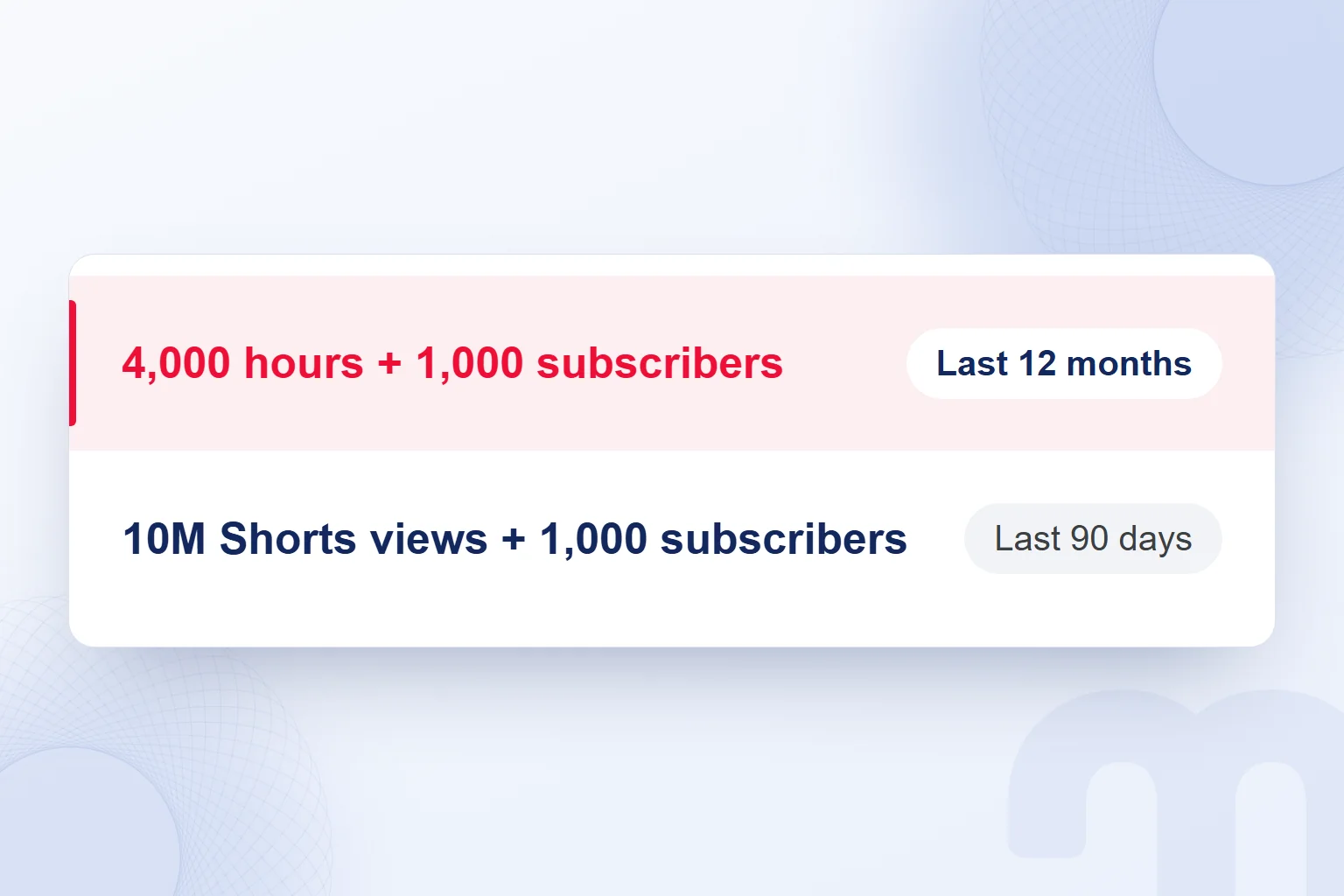
A vlog can generate income through the ; to apply, a channel must meet viewing and subscriber requirements. YouTube Help sets out two paths, based on watch hours or Shorts views.
A channel can apply once it meets one of two sets of conditions: 4,000 valid public watch hours on long-form videos in the last 12 months plus 1,000 subscribers, or 10 million valid Shorts views in the last 90 days plus 1,000 subscribers. Watch time in the Shorts feed does not count towards the 4,000 hours. Reaching these thresholds does not mean automatic acceptance; the channel is reviewed.
We read these thresholds as application requirements, never as the equivalent of an income figure. We do not merge watch hours and Shorts views into one target, and we stay clear about which path we are assessing.
For a brand vlog, the main goal is awareness, trust or sending viewers to the website by showing the product in use. The content plan is never tied solely to platform income; we weigh production effort against the question each episode answers and what viewers do next.
How do you measure a vlog?
We measure a vlog through watch time, subscriber change and website visits, and read each metric against the episode’s goal. Staying in the video, following the channel and visiting the site are separate behaviors.
Three common situations and the response to each:
- Viewers leave in the first seconds → We tie the opening directly to the subject and cut what delays the real story.
- People watch but do not follow the channel → We turn the vlog into a series and fix the publishing day.
- People watch but no one visits the site → We clarify the description link and the call to action in the video.
Each decision goes into the next episode’s preparation: after changing the opening, we watch drop-off; after changing the call to action, website visits. Total views alone never explain a problem.
We keep the next test narrow. For an early drop-off, we remove the general introduction and start with the application; the metric is still where viewers leave. Changing type, topic and call to action at once and crediting the opening alone would tell us nothing. This is how we read results; we never assume a change will bring a specific increase.
For website traffic, we check that the page the link opens matches the subject in the video; a product-use episode points to the relevant product page. We covered campaign types and targeting for supporting a vlog with ads in our guide to advertising on YouTube.
How do we keep a brand vlog going?
We keep a brand vlog going as a series with a shared theme, a fixed publishing day and a defined question for each episode. The calendar leaves room for filming, consent, editing and final checks.
With Thursday as the publishing day, for example, we settle the topic and people before filming and set aside time for editing, subtitles and checking the upload details. A calendar that holds only the publishing day does not complete the preparation by itself.
Each episode gets its own question within the shared theme, and the previous episode’s watch time and website visits feed the next one’s preparation.
We link a vlog series to other content within our organic marketing work. We covered vertical video dimensions in our article on Instagram post size, and working with creators in what is a content creator. More guides on content planning and measurement are on our blog.
This term is part of our digital marketing glossary. You can reach the one-sentence definitions of the other terms there.
Frequently asked questions
What is a vlog?
A vlog is a video blog entry in which a person films their thoughts, opinions or experiences and publishes them online.
What is a vlogger?
A vlogger is a person who makes and publishes vlogs.
What is the difference between a vlog and a blog?
A blog tells a story in text, a vlog in video. We choose the format based on whether the subject needs to be read or shown.
How do you film a vlog?
We set the topic and one question, plan the flow, get consent from people who appear, and test sound and light. We edit, add subtitles and publish with a title, description and thumbnail.
What are the types of vlogs?
The main types are daily, mini, travel, village life, makeup and beauty, product review, event and behind the scenes. For a brand, the real process to show and the episode’s question decide the type.
How do you film a vlog on a phone?
We choose vertical or horizontal framing for the format, keep the phone steady, and test sound and light with a short recording. We plan around one question and check speech and picture together in the final edit.
Can you make money from vlogging?
A vlog can earn income through the YouTube Partner Program; applying requires watch-time and subscriber thresholds. These thresholds are never a guarantee of any income.
How is a brand partnership disclosed in a vlog?
The partnership is disclosed so it is clear at first glance that the content is an ad, with labels such as “#Ad”, “#Ad/Promotion” or “in collaboration with @…”.
 What is a content creator? Meaning, creator accounts and brand dealsRead article
 What is a repost? How to repost on Instagram and TikTokRead article
 What is an influencer? Influencer marketing and ad disclosure rulesRead article
 What is marketing and what does it do? Tasks, 4Ps and success metricsRead article
 How to make a presentation: AI tools, PowerPoint and proposal decksRead articleMost read
 How to make money on Instagram: eligibility requirements and toolsRead article
 What is a slogan? How to write one, and how it differs from a taglineRead article
 What is Pantone? Color palettes, color codes and brand colorsRead article
Questions & answers
0 commentsNo questions yet; you can ask the first one.