





 Cihat Murat Yüksel
12 min read
What is a content creator? Meaning, creator accounts and brand deals
What is a content creator, and how do you become one? We cover creator accounts, YouTube requirements, the production process and usage rights in brand collaborations.Pro
Contents 14 sections
A content creator is a person who produces text, images, audio and video for the internet and shares them; in Turkey, the Revenue Administration’s tax guide uses the term for the same person.
When we work with content creators at markention, we first define the topic the brand wants to explain and the audience it wants to reach. We choose the creator by how they explain that topic and by production quality, and write the scope into the contract. Where and for how long the content will be used is settled before publication.
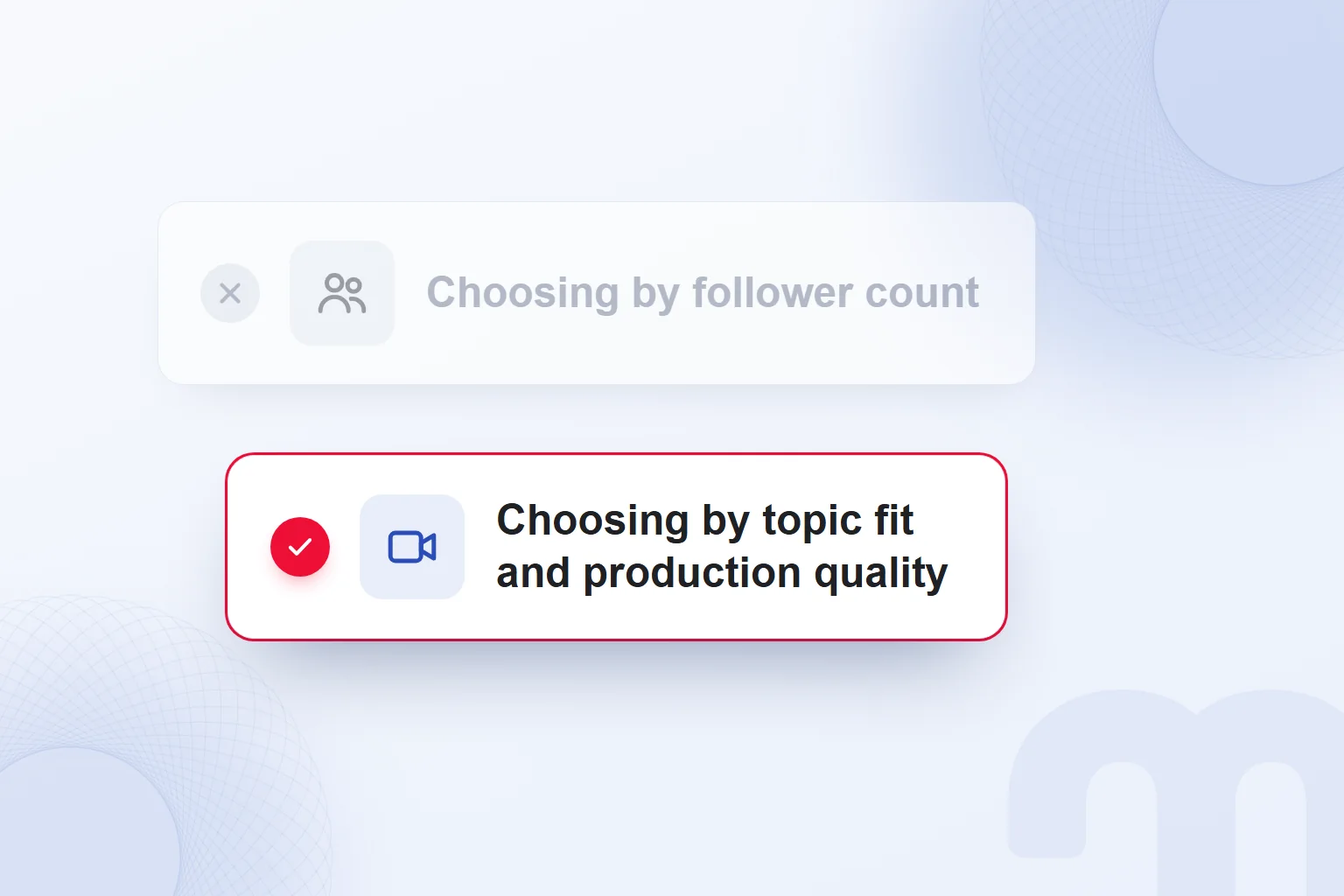
A content creator is chosen by topic fit and production quality, not follower count; the usage rights of the content are written into the contract.
What is a content creator?
A content creator is a person who turns an idea into text, images, audio or video and shares it online. The term combines two plain words: “content”, the substance a message carries, and “creator”, the person who makes it.
Together they describe someone who produces the substance of what is said, not only its format; we assess both, since a well-shot video is worth as much as its topic.
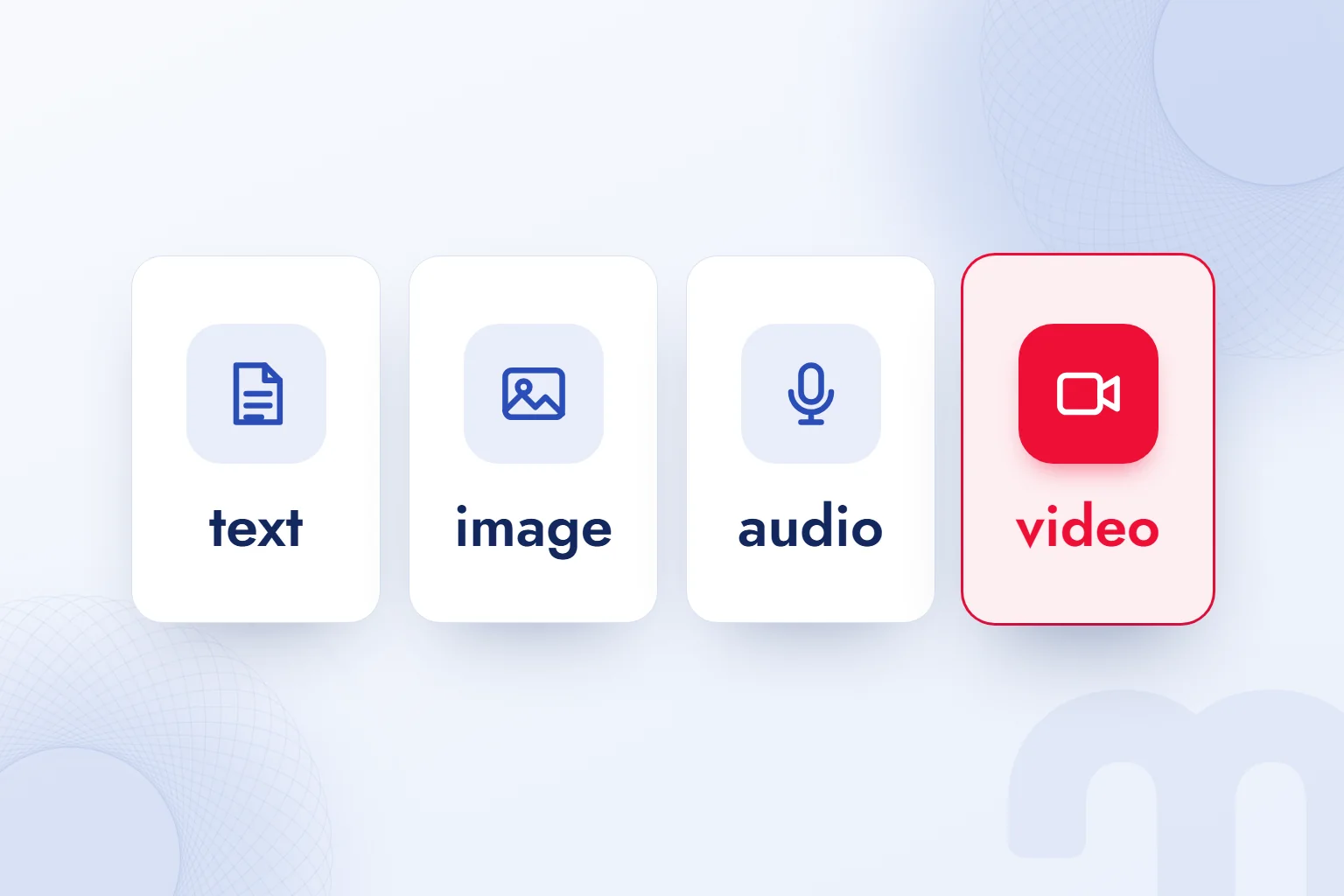
In Turkey, the Revenue Administration, when describing the scope of the social content creator earnings exemption, refers to natural persons who share content such as text, images, audio and video through the internet and similar electronic media. This is not a dictionary definition; it sets out who can use the exemption. When we assess a creator’s work, we look at these four content types separately.
What is a creator code?
A creator code is a code used in some games to support a particular content creator. It is neither the name of the creator’s content nor a professional credential; it identifies the creator inside the relevant support program.
What does content creator mean?
Content creator means a person who makes content for the internet. Cambridge Dictionary describes it as someone who makes content such as videos, images and writing for the internet, especially for a social media site.
“Digital content creator” describes the same person, with the digital channels put first; in our articles the two terms mean the same thing. Whatever term a proposal uses, we still ask which content types and channels the creator actually works in.
Writing, photography, audio and video are forms of the same field, so we never judge a portfolio by the profile’s look alone. How the creator presents research, how clearly the format explains the topic and where the content will be used all count.
What is the difference between a content creator, an influencer and a UGC creator?
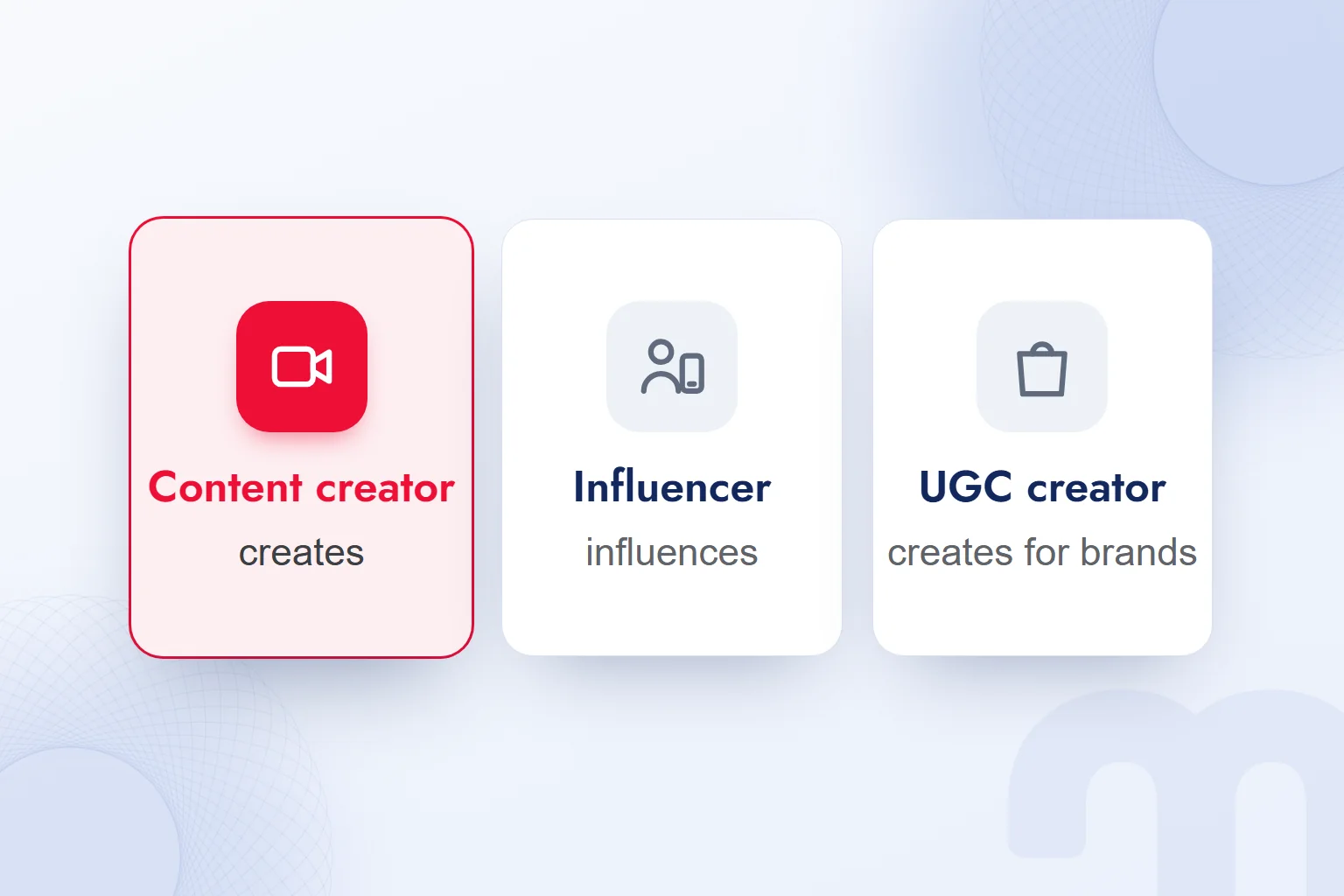
A content creator emphasizes production, an influencer emphasizes the effect on an audience, and a UGC creator emphasizes content the brand pays for, told in a customer’s voice. One person can be both a creator and an influencer; the distinction clarifies what the brand is buying.
With an influencer, the goal is publication on their account to reach their own audience, so advertising disclosure rules come to the fore. We explain the influencer’s obligations and the brand’s responsibility in our influencer guide.
Content from a UGC creator is mostly used in the brand’s own ads and account. With a content creator, production, placement and usage rights are defined together. In a proposal these three roles sit on separate lines.
What is an Instagram creator account?
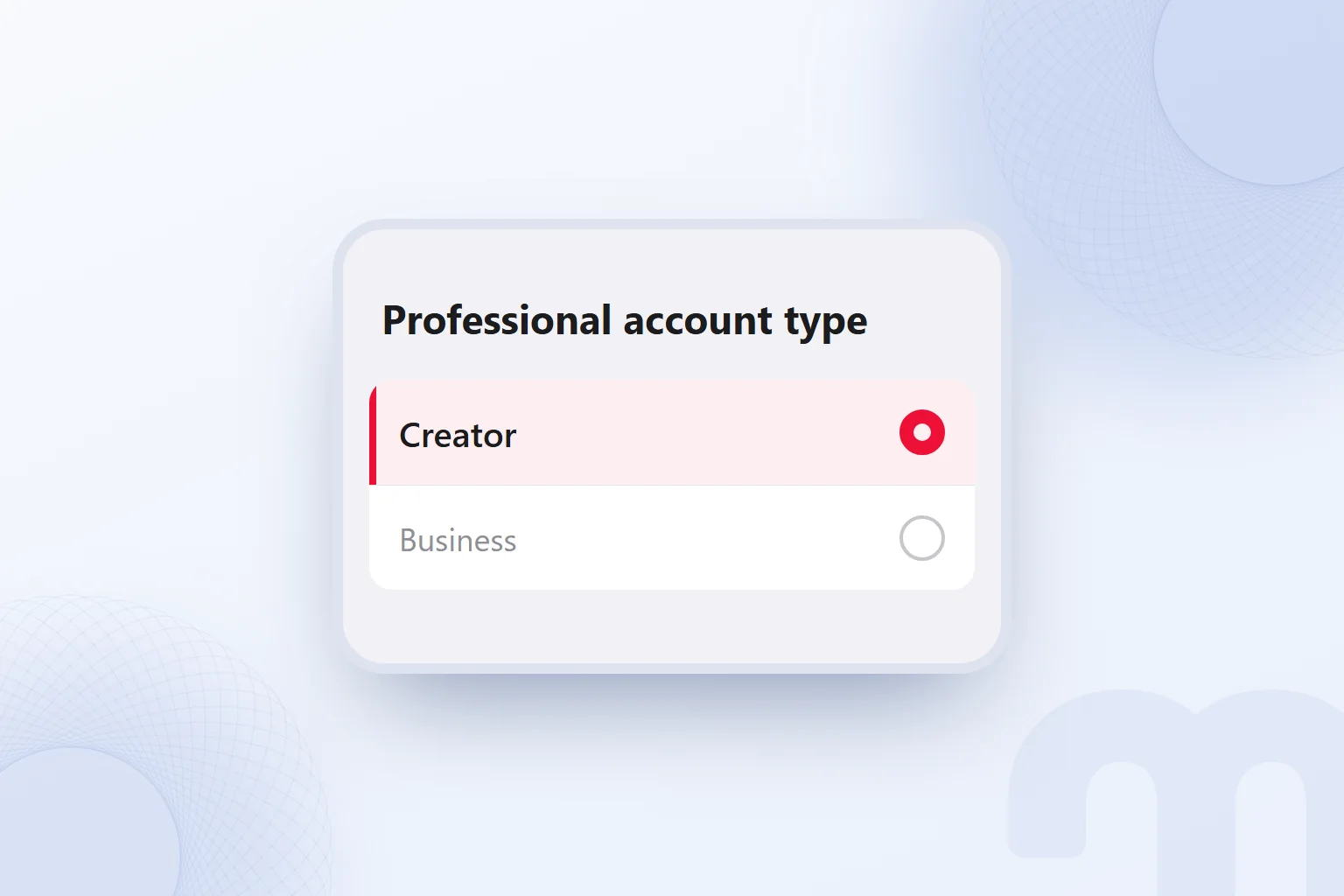
An Instagram creator account is one of Instagram’s professional account types; the other is the business account. Here “creator” names an account type; producing content for the internet is a much broader job than any account setting.
Instagram Help’s requirement for badges shows the distinction: badges are offered only on business and creator accounts. So a professional account does not automatically mean a creator account. When reviewing a profile, we assess the account type and the content quality separately.
A professional account is a shared requirement of the monetization tools and makes results easier to track, but it does not unlock every income tool; each tool’s eligibility requirements and policies still apply.
In a collaboration, recording the account type is not enough. Which account the content goes on, what the creator delivers and how the post shows its link to the brand are written into the scope of work. We cover the tools’ requirements in our guide to making money on Instagram.
What does a content creator do?
A content creator chooses a topic and audience, plans, produces and publishes content, and reads the results. We group the work as follows:
- Topic and audience: decides which question to answer and who the content is for.
- Planning: puts publishing dates, formats and channels in order.
- Production: writes text, takes photos and video, records audio.
- Editing and publishing: finishes the piece with editing, captions and a cover, then uploads it.
- Engagement and measurement: replies to comments and reads results such as views and shares.
At the planning stage a records the channel and date of each piece. It shows the continuity of production and the order of collaboration posts together.
Each format takes its own effort: a short video needs filming, editing and captions; a blog post needs research and writing. We build these times into the collaboration calendar and ask the creator for a realistic delivery plan.
How does the content creation process work?
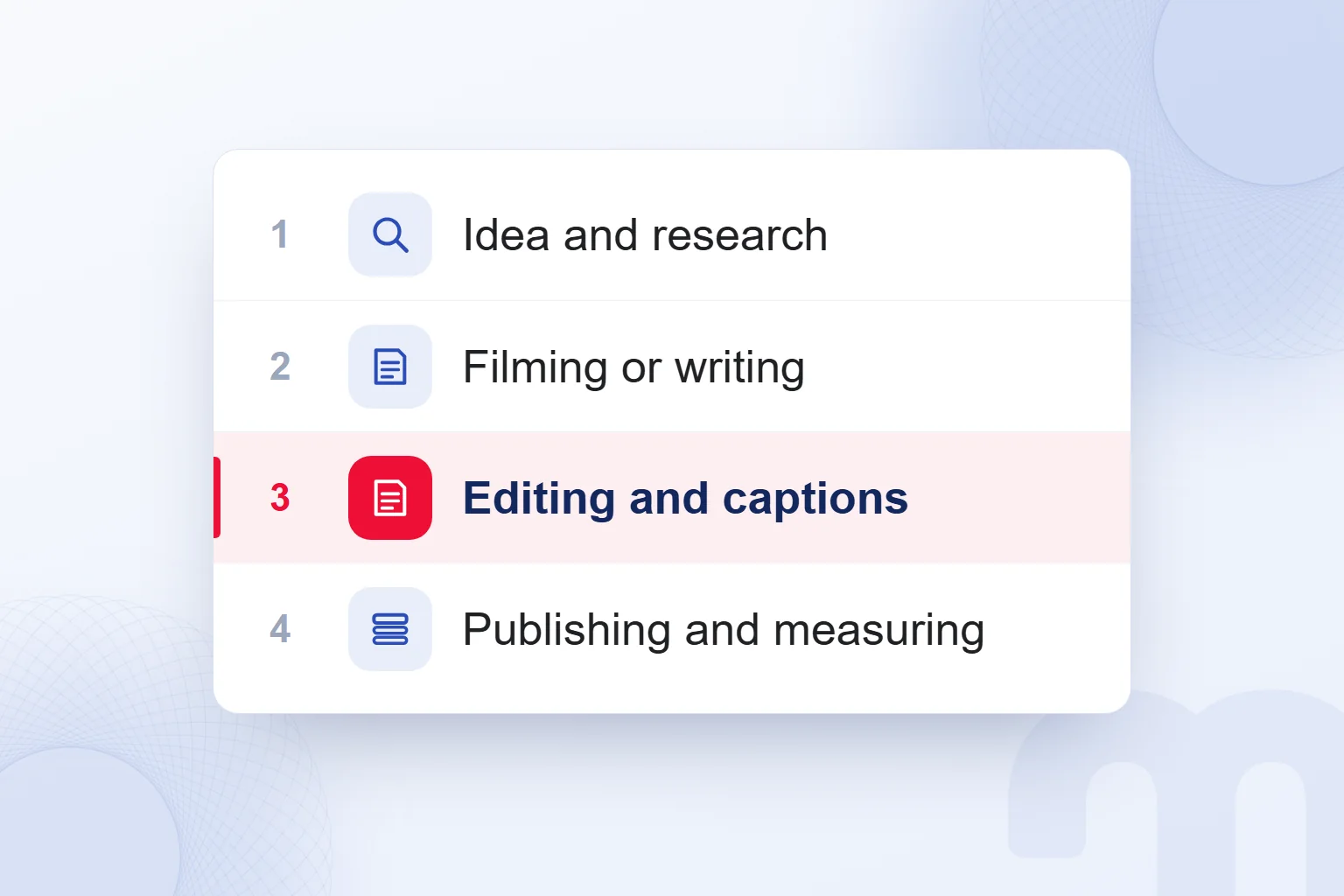
The content creation process starts with researching the idea and continues with filming or writing, editing, publishing and measurement. We set up the sequence so that each stage has a clear handover, and the calendar shows who owns the next task.
- Idea and researchWe define the question, the target audience and the sources; we keep verified information apart from personal experience.
- Filming or writingWe set the order of the story, write the text or record video and audio; we check that every part serves the main question.
- Editing and captionsWe cut repetition, tidy the flow of picture and sound, and compare the captions with the speech.
- PublishingWe check the title, cover, description and links; in a collaboration we add the advertising disclosure and publish on the planned channel.
- MeasurementWe read views, shares and comments against the goal and note what will change in the next piece.
Research focuses on one main question. In a product how-to, the action to be shown is written down first; verified facts and the creator’s own experience go into separate notes, and the shot list comes from them, so no gap is filled by guesswork.
The editing stage produces a draft ready for publication. In a video, clear speech, pictures that show the step being explained and captions that match the words are checked together. In writing, the title and first paragraph must answer the same question. We tie every correction note to a specific sentence or shot rather than writing “make it better”.
At the publishing check we view the content as the audience will see it. A disclosure in the draft must be visible in the live post, and if the title promises information the content lacks, one of them is corrected.
Measurement ends in an actionable note: if comments keep asking about one step, it is shown more clearly next time, and the unanswered question helps choose the next topic.
How do you become a content creator?
To become a content creator, you choose a topic and an audience, produce content for them regularly and publish it on a suitable platform. We advise new creators to start with one topic and one main channel.
We narrow the topic with a concrete question: instead of “videos about everything”, we write down whose need we will meet. We then list several ideas for that topic and put the research, filming and editing they need into the calendar. Publishing frequency follows the time those tasks actually take.
For the format, we look at our strengths: people who like writing produce text and blog posts, people who like talking produce a podcast, and people who explain through pictures produce video. We tie the format to a rhythm we can sustain and use the first pieces to see which questions the audience responds to.
Those first pieces also show the creator’s style; we judge them by clarity and completeness. Becoming a content creator means building a repeatable production routine, not only opening an account.
The path splits depending on the situation:
- The topic is unclear → we choose one topic and one audience.
- Regular publishing is not happening → we set up a publishing calendar we can sustain.
- Income has started → we separately check the conditions of the tax exemption and the bank account.
Becoming a content creator on YouTube
Becoming a content creator on YouTube means publishing videos on a chosen topic and continuing production in line with viewers’ questions. We treat the channel’s content plan and the YouTube Partner Program’s monetization requirements separately; the subscriber threshold is not a condition for starting to make videos.
According to YouTube Help, the path that includes ad revenue sharing requires 1,000 subscribers plus 4,000 valid public watch hours on long-form videos in the last 12 months. The alternative is 1,000 subscribers plus 10 million valid Shorts views in the last 90 days. The two measures are separate and are not added together.
Meeting these thresholds does not mean automatic acceptance; the channel is reviewed. Living in a supported country, having no active Community Guidelines strikes and using 2-Step Verification are also requirements. We track the viewing measure that fits the chosen format and never derive an income figure from these numbers.
How content creators earn income
A content creator’s income can come from brand collaborations, affiliate links, platform revenue sharing or selling their own products and services. We state which production or usage each payment covers; sponsored content, a platform revenue share and permission to use a piece in ads have different conditions.
No fixed salary or earnings figure can be derived from follower count. Brand income rests on the content and usage rights agreed; platform income rests on the program’s conditions. Disclosure of commercial posts and, in Turkey, eligibility for the tax exemption are assessed separately.
How does the content creator tax exemption work in Turkey?
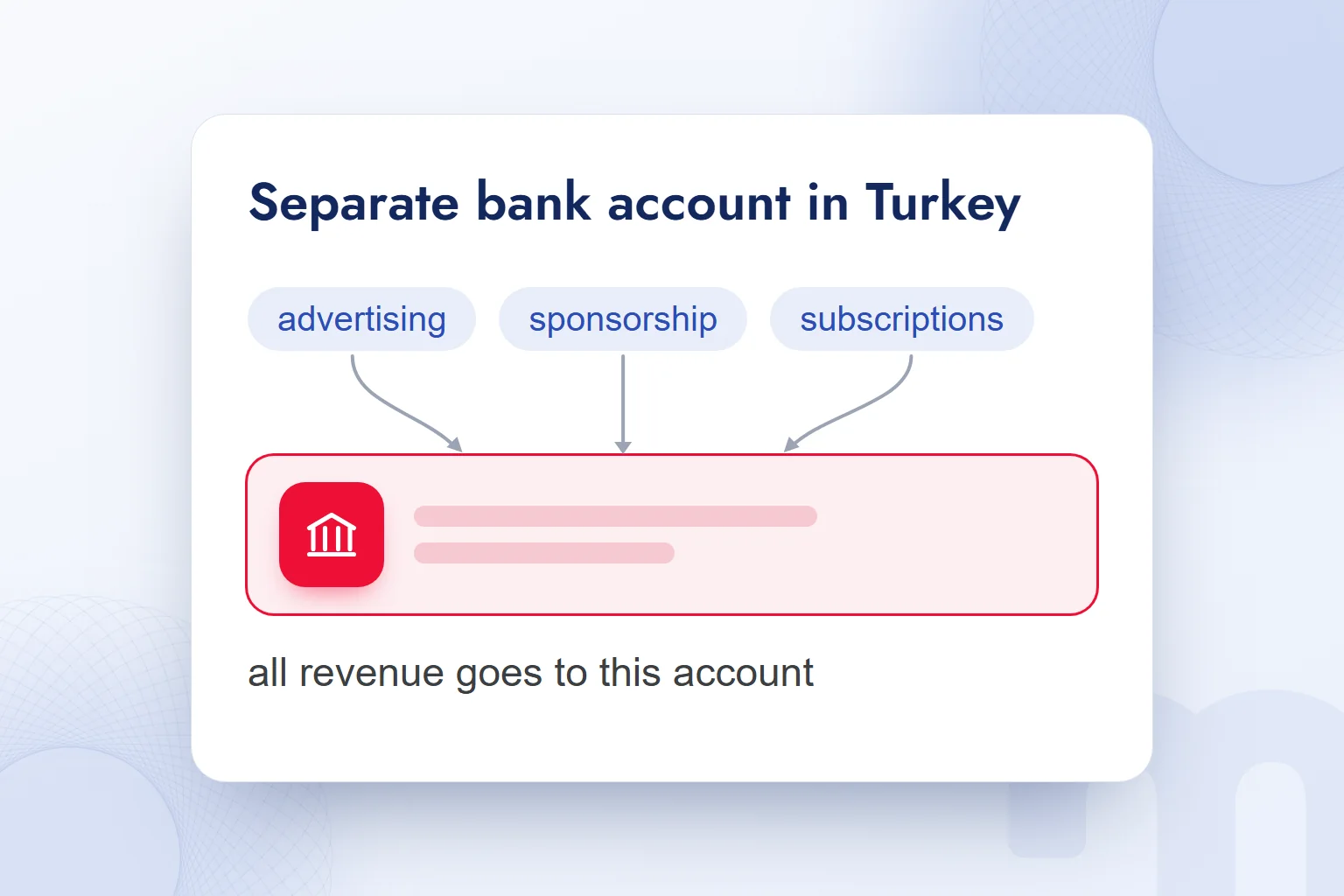
In Turkey, content creators benefit from the social content creator earnings exemption when they meet the Revenue Administration’s conditions: earnings are collected through a bank account opened in Turkey for this activity and do not exceed the amount of the fourth income bracket of the income tax schedule.
According to the Revenue Administration’s guide, the exemption is available to social content creators who are sharing content through the internet and similar electronic media. Being a full or limited taxpayer does not matter. Only income taxpayers can use it; corporate taxpayers cannot.
An account is opened at a bank established in Turkey, and all revenue from the activity is collected through it. Advertising, sponsorship, donation, gift, tip and paid subscription income is covered, including income earned through third-party service providers.
The bank withholds 15% income tax on the revenue paid into the account, and the exemption certificate is obtained from the tax office. Personal tax situations should be assessed with a certified accountant. We explain the details and how they apply to Instagram income in our guide to making money on Instagram.
How do brands choose a content creator?
Brands choose a content creator by topic fit, production quality, audience fit, disclosure habits and delivery reliability; follower count alone is not a criterion. Selection starts with the link between the brand’s topic and what the creator actually produces.
For production quality, we look at clear audio, a sharp picture and a smooth narrative. For audience fit, we read who the creator talks to in the comments. We review how they disclosed past collaborations and ask about their delivery and revision routine.
For a how-to piece, we look at how the candidate has shown a similar task: clear steps and easy-to-follow speech give the choice a concrete basis. Instead of writing “quality content” in the note, we attach the work that shows it, and agree when the draft is shared and who follows up on corrections.
We tie creator collaborations to the brand’s organic marketing plan and manage them alongside the publishing calendar.
- We write down the goal and content typeWe define the purpose, the content format and the audience we want to reach on a single page.
- We choose creators by criteriaWe compare candidates by topic fit, production quality, audience fit and disclosure habits.
- We write usage rights into the contractWe set on which channels, for how long and whether the content will be used in ads.
- We read the draft before publicationWe check the narrative, the product information and the advertising disclosure together.
- We add the disclosure and tracking linkWe check that the disclosure is visible and use a tracking link or code specific to the creator.
- We evaluate the resultWe compare the result from the tracking link or code with the original goal.
What goes into a content creator contract?
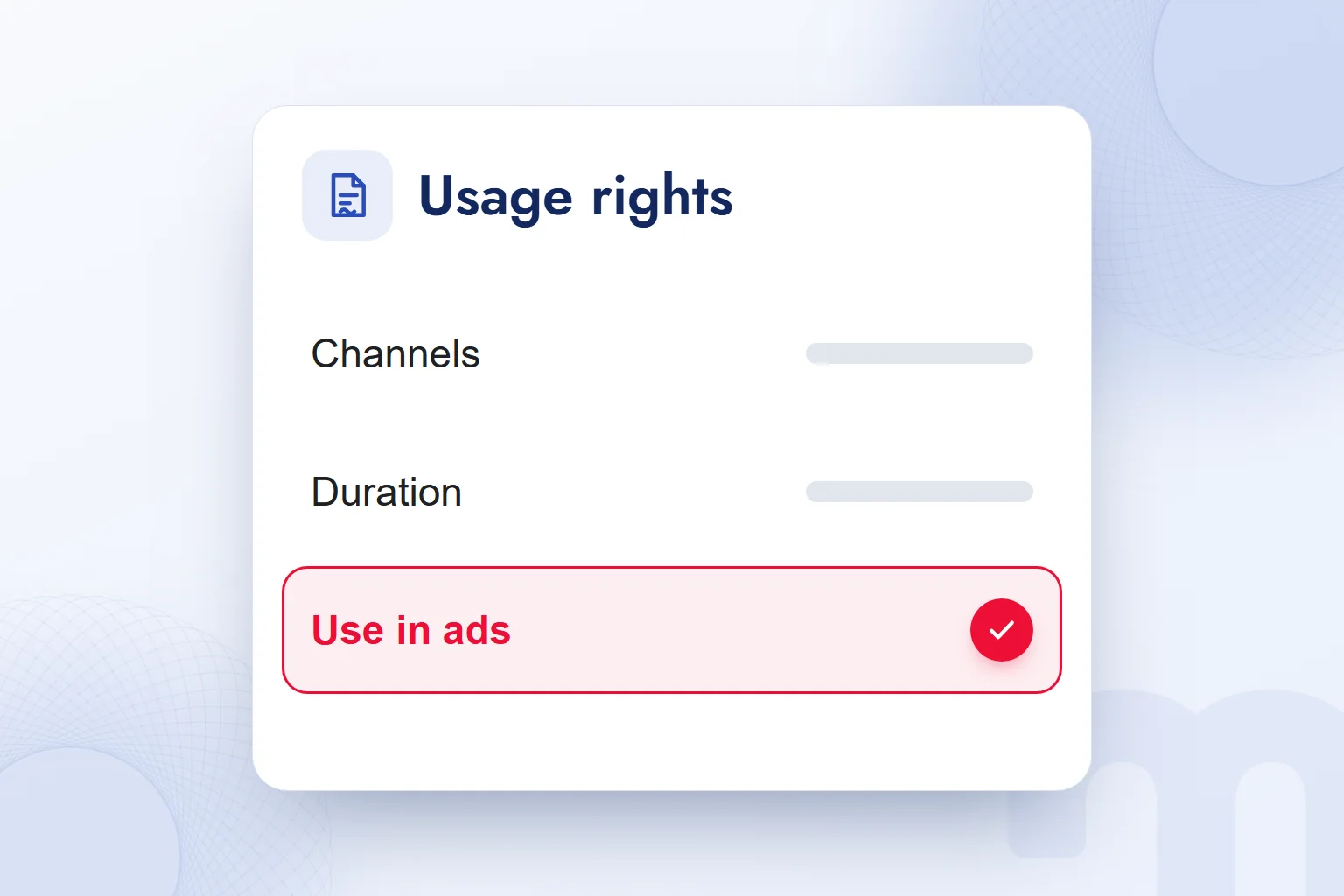
A collaboration contract states the content type and quantity, the placement and date of publication, usage rights, advertising disclosure, revision rights, payment and delivery. It should answer upfront the questions that may come up after publication.
Usage rights define on which channels, for how long and for what purpose the content may be used. Using a piece from the creator’s own account in the brand’s ads is a separate use, and we write it in separately.
Under the guide on social media influencers published by Turkey’s Ministry of Trade, a post made for financial gain or for free or discounted goods or services must say so clearly; covert advertising is prohibited. The advertiser, the agency and the influencer are each responsible for compliance. The wording and placement of the disclosure are stated in the contract.
| Clause | What is written | Why |
|---|---|---|
| Content | Type and quantity | Makes the deliverable clear |
| Publication | Placement and date | Sets the schedule and responsibility |
| Usage rights | Channels, duration and use in ads | Limits where the content can be used |
| Advertising disclosure | Wording and placement | Makes the collaboration clear at first glance |
| Revision and delivery | Correction rights and delivery date | Secures the pre-publication check |
If one video will run on the creator’s account and in the brand’s ads, both placements appear in the scope with the usage period and revision deadline. The payment clause ties each payment to a delivery or approval stage.
Three different needs, three different answers:
- The creator will publish the content only on their own account → we write the placement and the advertising disclosure into the contract.
- We will also use the content in ads → we write the usage rights separately, with channels and duration.
- The draft does not follow advertising rules → we ask for it to be corrected before publication.
More guides on creator collaborations, social media and content planning are collected on our blog.
This term is part of our digital marketing glossary. You can reach the one-sentence definitions of the other terms there.
Frequently asked questions
What is a content creator?
A content creator is a person who produces text, images, audio and video for the internet and shares them.
What is a digital content creator?
The same person, with the digital channels put first. Cambridge Dictionary describes a content creator as someone who makes videos, images and writing for the internet, especially for social media.
Is a content creator the same as an influencer?
No; a content creator emphasizes production, an influencer the effect on an audience. One person can be both.
How do you become a content creator?
Choose a topic and audience, produce content for them regularly and publish it on a suitable platform. Instagram offers professional accounts for creators.
Do content creators pay tax in Turkey?
In Turkey, the earnings of social content creators who meet the conditions are exempt from income tax, and the bank withholds 15% on revenue paid into a separate account at a bank in Turkey.
How do brands agree terms with a content creator?
Brands put the content type, placement, usage rights, advertising disclosure, revision and delivery terms into a written contract.
What is an Instagram creator account?
One of Instagram’s professional account types; the other is the business account. Choosing it does not meet every requirement of the monetization tools.
How many subscribers do you need to be a YouTube creator?
None to start making videos. Ad revenue sharing requires 1,000 subscribers plus 4,000 valid public watch hours in 12 months or 10 million valid Shorts views in 90 days; the channel is also reviewed.
 What is a repost? How to repost on Instagram and TikTokRead article
 What is an influencer? Influencer marketing and ad disclosure rulesRead article
 What is a vlog? How to vlog, types of vlogs and a vlog plan for brandsRead article
 What is marketing and what does it do? Tasks, 4Ps and success metricsRead article
 How to make a presentation: AI tools, PowerPoint and proposal decksRead articleMost read
 How to make money on Instagram: eligibility requirements and toolsRead article
 What is a slogan? How to write one, and how it differs from a taglineRead article
 What is Pantone? Color palettes, color codes and brand colorsRead article
Questions & answers
0 commentsNo questions yet; you can ask the first one.