





 Cihat Murat Yüksel
8 min read
Cihat Murat Yüksel
8 min read
What is a podcast? How podcasts work for brands and where to publish
What a podcast is, how RSS distribution works, and how brands record, edit, publish, and measure episodes on Spotify, Apple Podcasts, and YouTube.Pro
Contents 9 sections
A podcast is an audio or video show published online in episodes that listeners can follow and listen to or watch whenever they choose. Distribution uses an .
We start a brand podcast by defining its subject and the team that will sustain it. Recording, editing, hosting, and distribution belong in one plan. We also plan the website episode page and measurement before recording begins.
We build brand podcasts around consistent publishing and measurable website referrals, with a readable transcript for every episode.
What is a podcast, and what does the word mean?
A podcast is an audio or video show released in episodes; its name combines iPod and broadcast. Following a show brings new episodes into a listening app, ready to play on demand.
The show is the complete series; an episode is an individual release. We define the show’s overall subject separately from each episode’s question, keeping a shared focus. Each title then tells listeners what that recording covers.
Formats include solo presentations, guest interviews, conversations or panels, storytelling, and video podcasts. We choose according to our team’s strengths and production capacity, preparing guest episodes as interviews and planning visual production for video shows.
How do podcasts work, and what does RSS do?
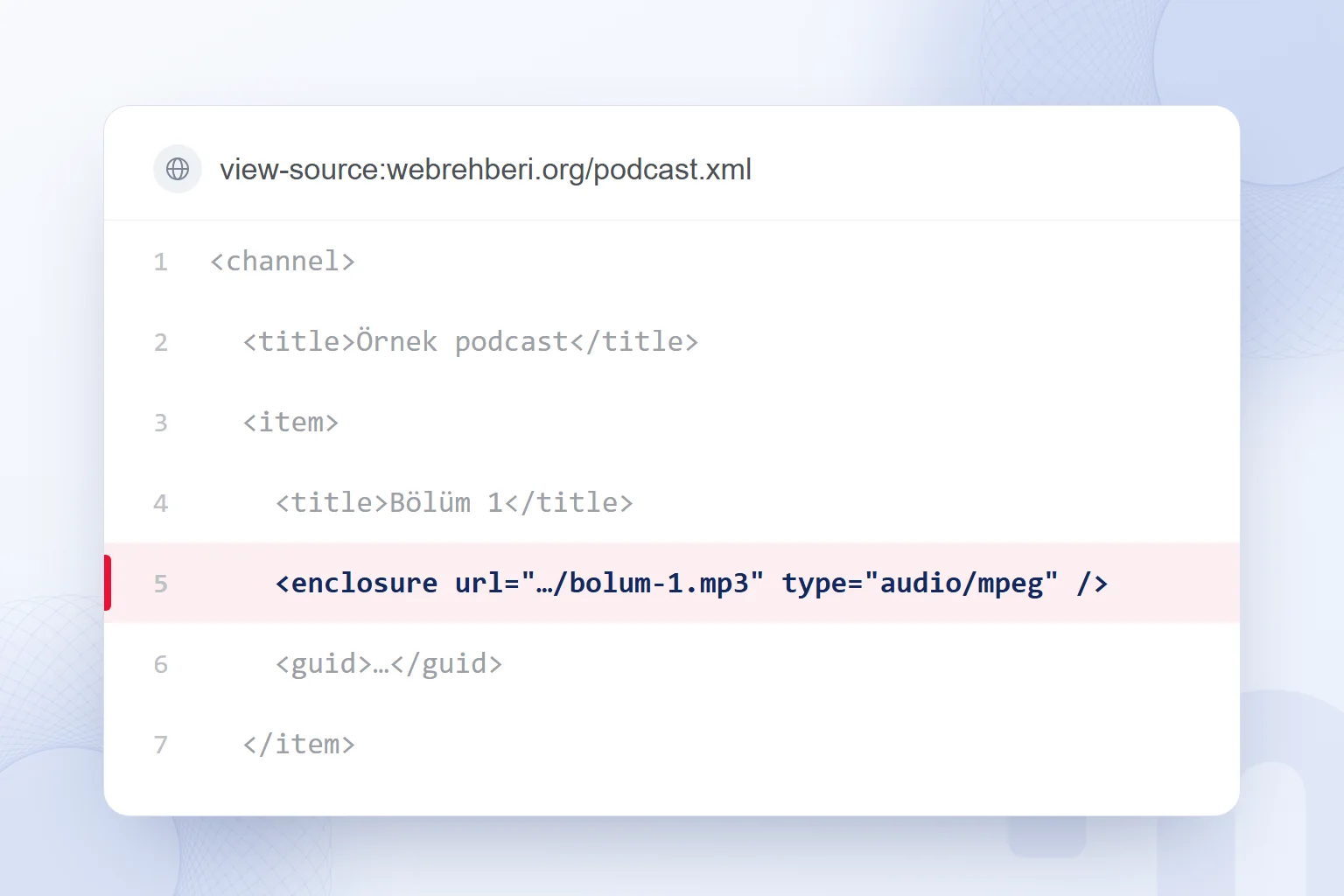
Listening apps distribute podcasts by reading the hosting service’s RSS feed and listing new episodes. RSS stands for Really Simple Syndication. The feed contains the show name, description, cover art, and each episode’s audio file address.
We upload audio and prepare show and episode details with the host, then use its RSS feed to submit the show to listening apps. The host supplies the files and feed; platforms such as Spotify and Apple Podcasts provide access for listeners.
To check distribution, we inspect the feed’s show details and episode file information, then confirm that the episode appears on each selected platform. This traces publication from the recording to the listing listeners see. We keep the RSS address separate from the website episode link: one supplies apps with information; the other opens the episode page.
How do brands use podcasts?
Brands use podcasts to demonstrate expertise through conversation and develop a subject across content formats. We plan the subject, speaker, and episode structure alongside our organic marketing topics.
Our starting format depends on production capacity. There are three possibilities:
- We have an expert on the team but no guests → We start with a solo host and organize the questions the expert will answer into episode topics.
- We can reach industry guests → We choose interviews and match each guest’s expertise to the episode’s question.
- We can produce video and have a YouTube audience → We plan a video podcast, including both audio and visual production.
We set a schedule the team can sustain and a consistent structure: introduce the subject, then develop the central question. The show’s focus stays clear as guests change.
We turn episodes into articles, short videos, and emails, deciding during preparation which question each piece will address.
How do we make a podcast?
We make a podcast by choosing a subject and format, recording, editing, and distributing it through a hosting service. Our workflow includes distribution and the website from the first episode.
- We choose the topic and formatWe define the episode’s question and select a solo, interview, or other suitable format.
- We prepare the recording spaceWe choose a quiet room with soft surfaces, set up the microphone and headphones, and test the recording.
- We recordWe keep a backup; for remote interviews, both participants also record their own audio separately.
- We editWe remove long silences, repetition, and interruptions, then balance speakers’ volume levels.
- We prepare hosting and RSSWe upload the finished file and check the show details and generated feed.
- We submit to platformsWe use the appropriate submission method for Spotify, Apple Podcasts, and other selected channels.
- We complete the episode pageWe publish a summary, player, and transcript, adding UTM parameters to website links in the show notes.
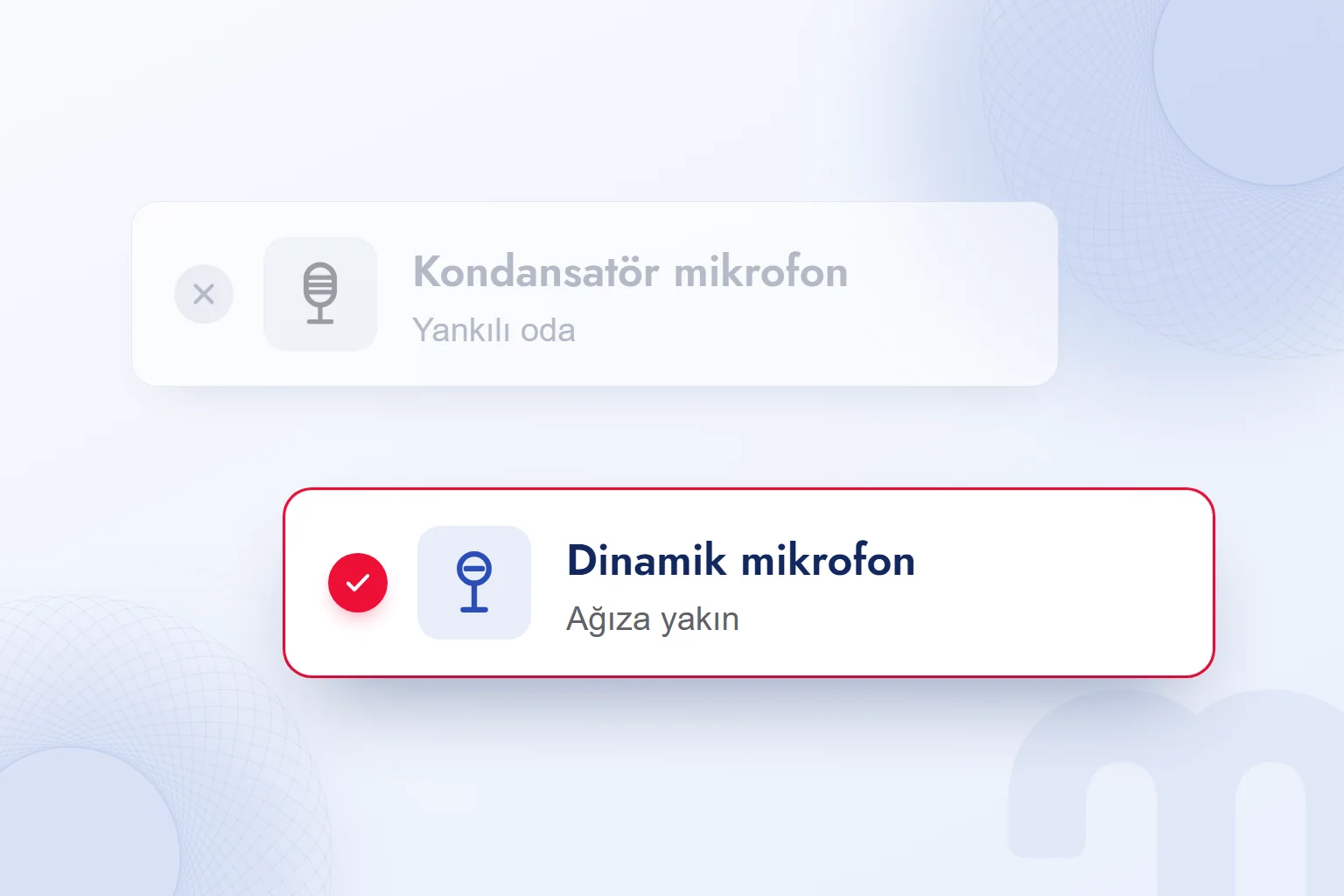
We choose microphones to suit the room. A dynamic microphone picks up less background sound; we use it close to the mouth in home or office recordings. A condenser microphone is more sensitive and works well in a quiet, soundproofed room. Quiet surroundings and soft surfaces matter alongside microphone type.
Before recording, we listen to the test and check our voice and the guest’s. For remote interviews, we keep the separate recordings and backup ready for editing.
How do we edit a podcast?
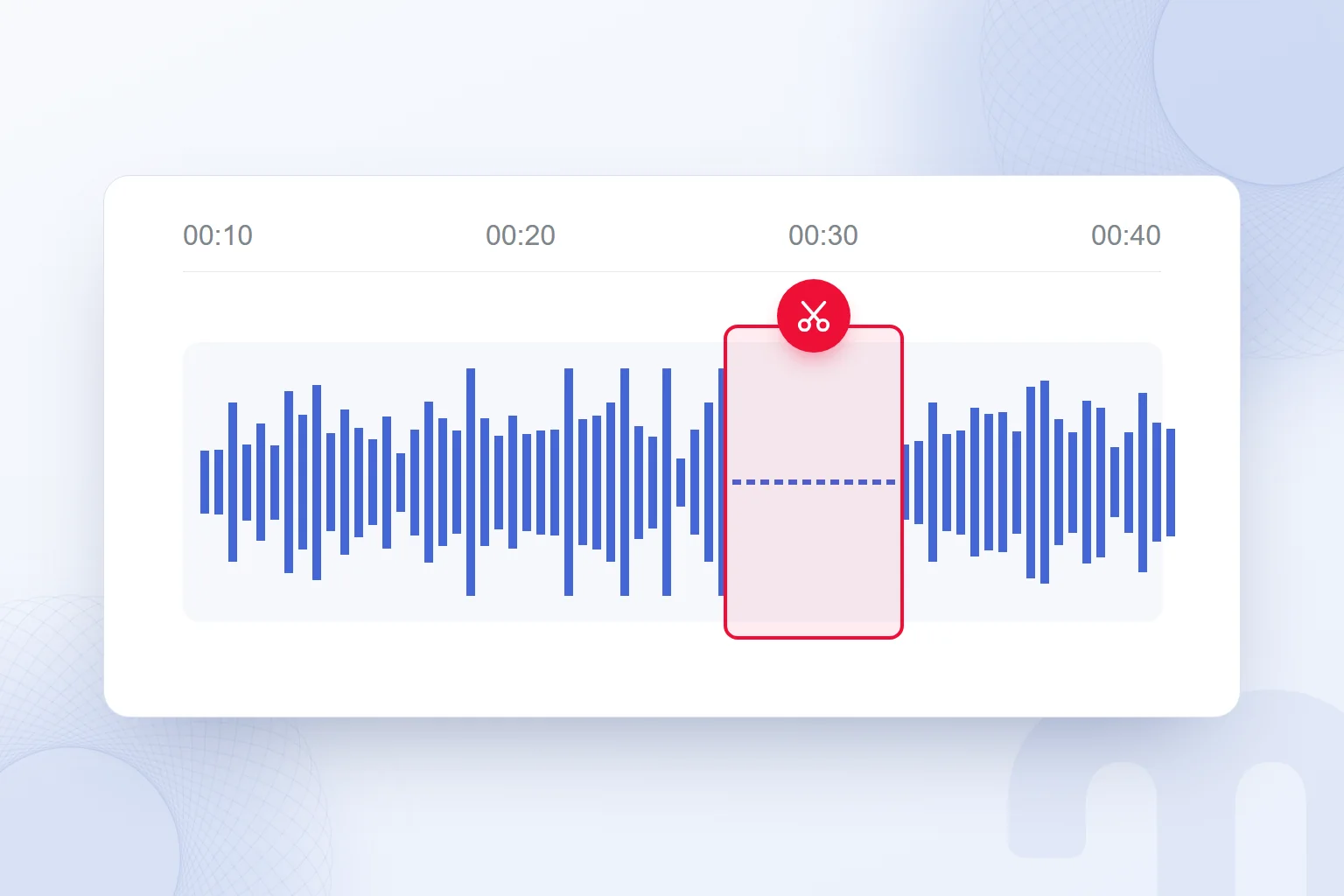
We edit by removing long silences, repetition, and interruptions, then balancing speakers’ volume levels. We listen first, identify cuts, and preserve the conversation’s meaning as we edit.
We remove repeated ideas, shorten pauses, and tidy up speech that restarts after an interruption. We listen across each cut to check the sentence and the conversation’s continuity, keeping the answer to the episode’s question clear.
For interviews, we separately check volume changes between guest and host. The publishing file is usually MP3. Before uploading it to the host, we listen from beginning to end for remaining repetition, long gaps, or noticeable differences in speaker volume.
How do we publish on Spotify and other platforms?
We publish on Spotify by hosting there directly or submitting another host’s RSS feed; other platforms have their own submission methods. Spotify for Creators, formerly Spotify for Podcasters, hosts audio and video podcasts. For shows hosted there, the RSS feed is created when the first episode is published.
For Apple Podcasts, we check required tags and cover art. Its submission requirements also cover feed format and episode identity:
We submit the prepared feed through Apple Podcasts Connect and keep each episode’s GUID unchanged. We record each platform’s submission method and reporting dashboard together.
| Platform | How we publish | Reporting dashboard |
|---|---|---|
| Spotify | We host with Spotify for Creators or submit another host’s RSS feed | Spotify for Creators |
| Apple Podcasts | We submit the RSS feed through Apple Podcasts Connect | Apple Podcasts Connect |
| YouTube and YouTube Music | We use video episodes or RSS, available in some countries | YouTube Studio |
| Website | We publish an episode page with a player and transcript | GA4 |
Google Podcasts has closed; Google moved podcast listening to YouTube Music. We consider video or RSS distribution and check RSS availability for our country in YouTube Studio. Website visits are a separate measure from platform plays.
Why does a podcast need a website episode page?
An episode page combines a player with a readable, searchable transcript. We include a title, short summary, player, transcript, and links to sources mentioned in the episode.
The title names the subject; the summary identifies the question. We place the transcript below the player and match source links to the discussion, bringing listening, reading, and references together.
Search engines and AI assistants read page text. Without a transcript, the recording’s explanations are not available as searchable text on the site. We treat readability as part of AI visibility work, checking that the written explanations convey the recording clearly.
How do we measure podcast success?
We measure platform listening and follower data separately from website visits through show notes. Spotify for Creators, Apple Podcasts Connect, and YouTube Studio report their own data; we do not add those figures into one listener count.
We identify the problem before choosing a response. There are three possibilities:
- Episodes are not being found → We write titles in listeners’ search language and create website episode pages.
- Listeners leave early → We shorten the introduction and reach the main subject sooner.
- Listeners do not visit the website → We add UTM-tagged website links to show notes and measure referral visits.
We track those UTM-tagged visits in GA4 and assess listening within each platform. We compare changes intended to improve discovery, listening, or website visits with the corresponding results.
Those findings guide the next episode’s title, introduction, and website referrals. We connect podcast work with related content topics on our English blog.
Frequently asked questions
What is a podcast?
A podcast is an audio or video show published online in episodes for listening or watching on demand. Listeners follow the show to access new episodes.
What is RSS?
RSS carries show and episode information to listening apps. The hosting service generates the feed; apps read it to list new episodes.
Which microphone do we choose for a podcast?
For home or office recording, we consider a dynamic microphone that picks up less background sound. We consider condenser microphones for quiet, soundproofed rooms.
How do we add a podcast to Spotify?
We host it with Spotify for Creators or submit another host’s RSS feed. Spotify creates a hosted show’s feed when its first episode is published.
What does Apple Podcasts require for submission?
It requires an RSS 2.0 feed with required tags, cover art, and at least one episode. Each episode keeps its unique GUID; we submit through Apple Podcasts Connect.
Why do we prepare a podcast transcript?
A transcript makes the conversation readable and searchable on the website. Search engines and AI assistants read that page text.

 Advertising on ChatGPT: Ads Manager, Targeting and Your First CampaignYazıyı oku
 What is a title tag? How to write it and how it differs from H1Yazıyı oku
 What are URL parameters? UTM, GA4 event parameters and gclidYazıyı oku
 What is a PDF? Uses, and PDFs on your website: indexing and trackingYazıyı oku
 ChatGPT image prompts and Gemini prompt examples for ad visualsYazıyı oku
 What is GEO? How Generative Engine Optimization worksYazıyı oku
Questions & answers
0 commentsNo questions yet; you can ask the first one.