





 Cihat Murat Yüksel
7 min read
Cihat Murat Yüksel
7 min read
What is an LLM? How large language models work and know your brand
An LLM writes by predicting the next piece of text. Knowing tokens, RAG and hallucination helps us check what an AI model says about your brand.Pro
Contents 9 sections
An LLM, or large language model, is an AI model trained on huge collections of text that answers by predicting the pieces that follow the text it is given. We call these pieces .
In marketing work, we judge a model’s writing skill separately from its knowledge of a brand. A fluent service description is not necessarily an accurate one. Knowing a brand’s name does not mean knowing its prices. So we check both the source we give the model and the answer it writes.
An LLM knows a brand from its training data and from the sources it reaches while answering, so brand information is kept consistent, current and accessible.
What does LLM stand for?
LLM stands for “Large Language Model”. The model uses language patterns learned in training to produce new text. When we turn a service page into an email draft, we ask it to reword the same facts, never to guess the service.
Model families include OpenAI’s GPT, Google’s Gemini, Anthropic’s Claude and Meta’s Llama; ChatGPT is built on GPT. Our team defines the job before the model: drafting, comparing documents we provide or interpreting data we supply. Each job needs its own source for judging the answer: product copy for a product description, the report itself for a report commentary.
How do large language models work?
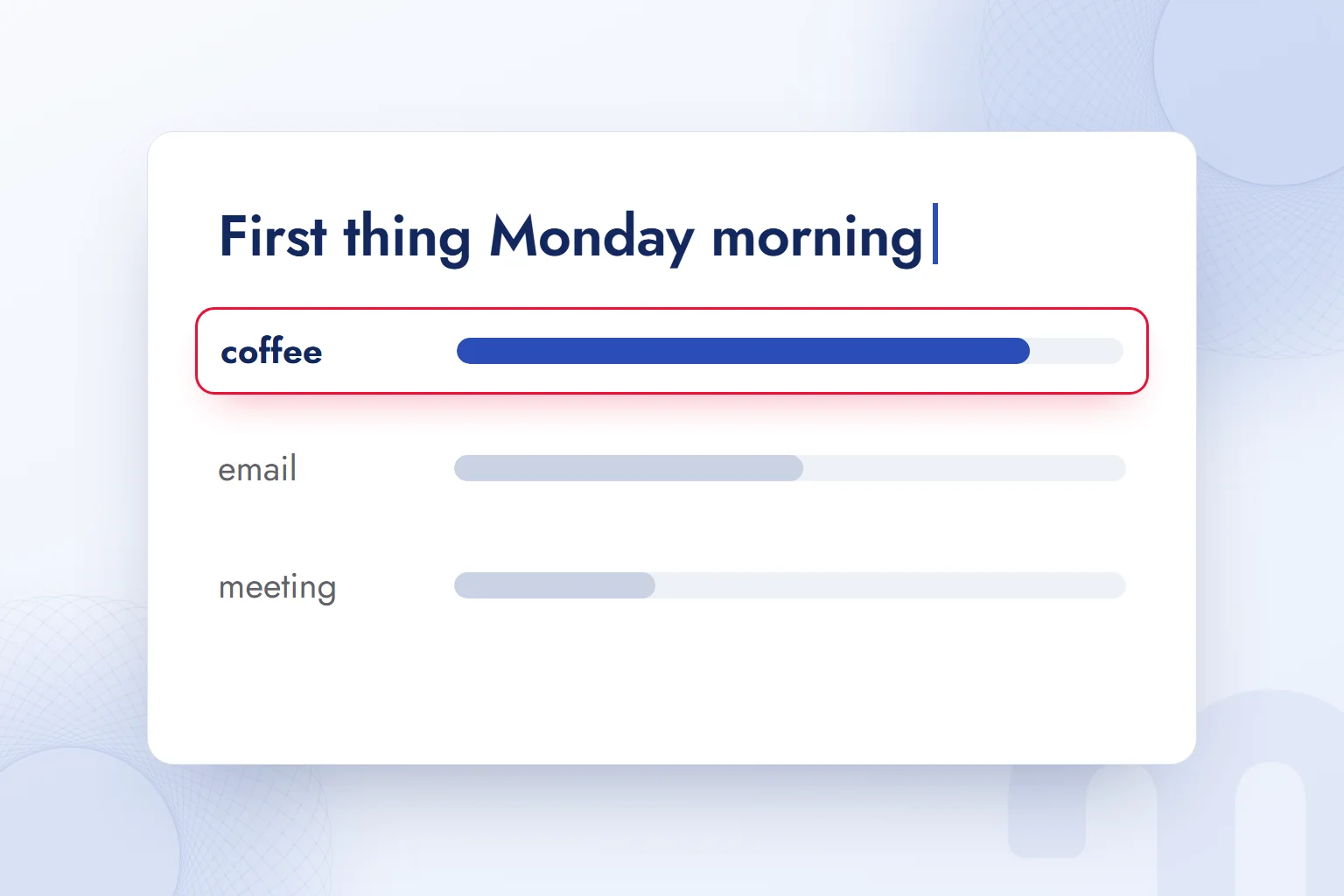
Large language models predict the next token from the text so far and repeat this step to build the answer. Each new piece joins the text, then the model produces the next.
Take a sentence starting “After the meeting, we sent the client”. What follows depends on what came before: mentioning a proposal or a report in the prompt supplies that context and steers the answer. Fluency does not prove the client details are correct.
Most current large language models build on the proposed by Google researchers. For marketing, the key point is that the model produces a likely continuation. Company details, prices and service scope are verified against the source text.
What is a token, and what does the context window do?
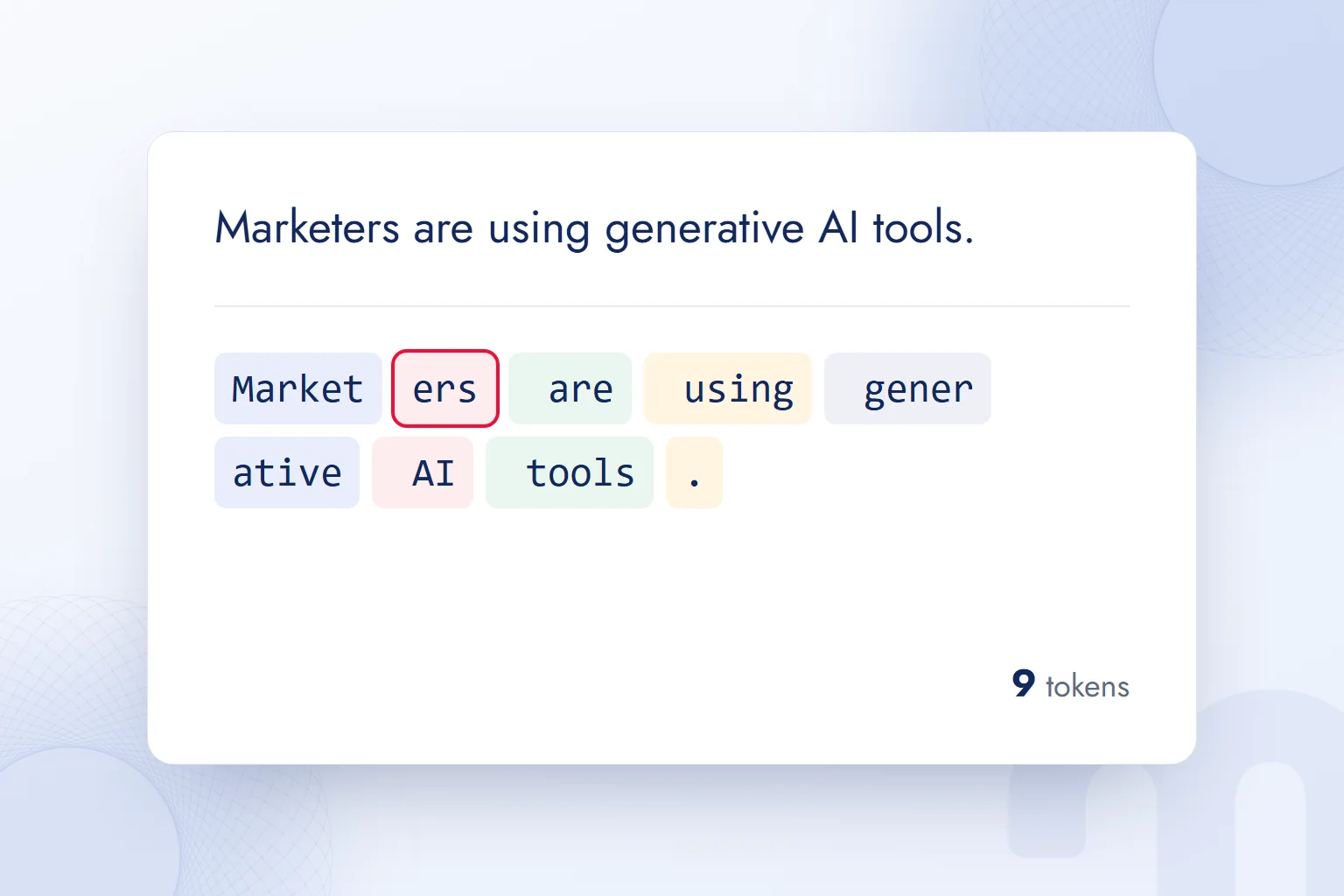
A token is the unit of text a model processes; the context window limits how many tokens it considers at once. A word becomes one token or several. Agglutinative languages such as Turkish, where suffixes stack on a stem, split words often.
So we never equate word count with token count. For a long source text, we look beyond page count: we pick the sections the task needs and keep clear which information we use.
Usage fees are usually charged per token. For a summary, we weigh source length, expected answer and model limit. We trim unneeded text, but never cut a condition that changes a service’s scope.
| Concept | What it means | In marketing |
|---|---|---|
| LLM | A large language model that predicts the next piece of text | We produce drafts and summaries |
| Token | The unit of text the model processes | We assess text length and usage fees |
| Context window | The token limit considered at once | We pick source sections that fit the task |
| Training data | The text the model was trained on | We check how current brand information is |
| RAG | Generating answers with information retrieved from sources | We make the current document the answer’s basis |
| Hallucination | False information stated confidently | We compare claims with the source |
| Fine-tuning | Extra training for a specific task | We try prompt and source text first |
Where does an LLM get current information?
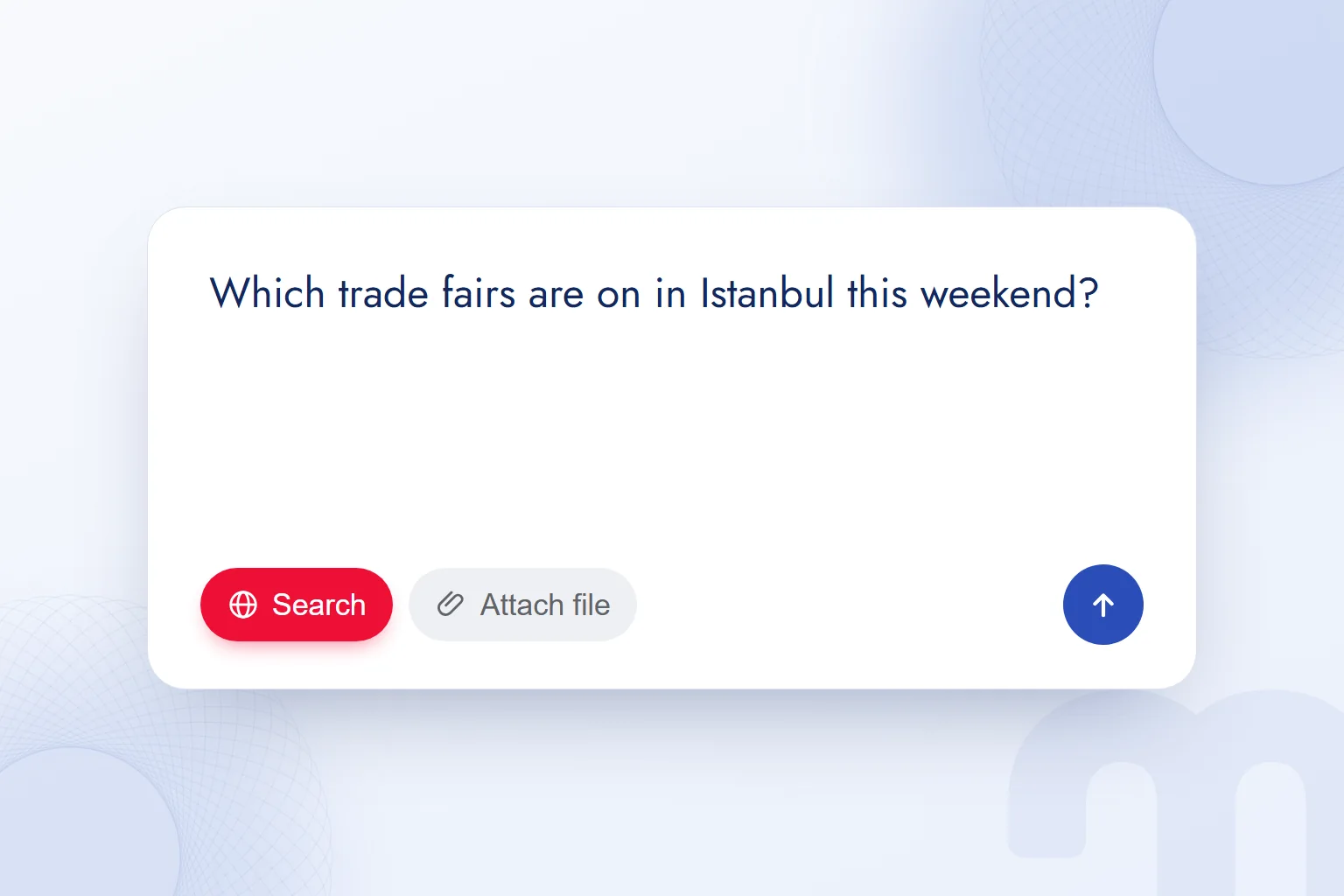
An LLM gets current information from a search during the answer or from documents provided to it. Its training data has a , and the model does not know later events on its own. For current prices, addresses or service scope, we check the source’s freshness first.
Search finds outside information while the answer is prepared. RAG stands for “retrieval-augmented generation”: the answer is built from retrieved source information.
When a service’s scope changes, we give the model the current service text and have it write from that. We never ask it to add a service missing from the source. With search on, we check which page the answer relies on. Training data alone never settles a current question.
What is an AI hallucination, and why do models make things up?
A hallucination is false information stated in fluent, confident language; while building a likely word sequence, the model fills missing knowledge with inventions. A wrong price, a wrong founder name and a non-existent source are typical cases.
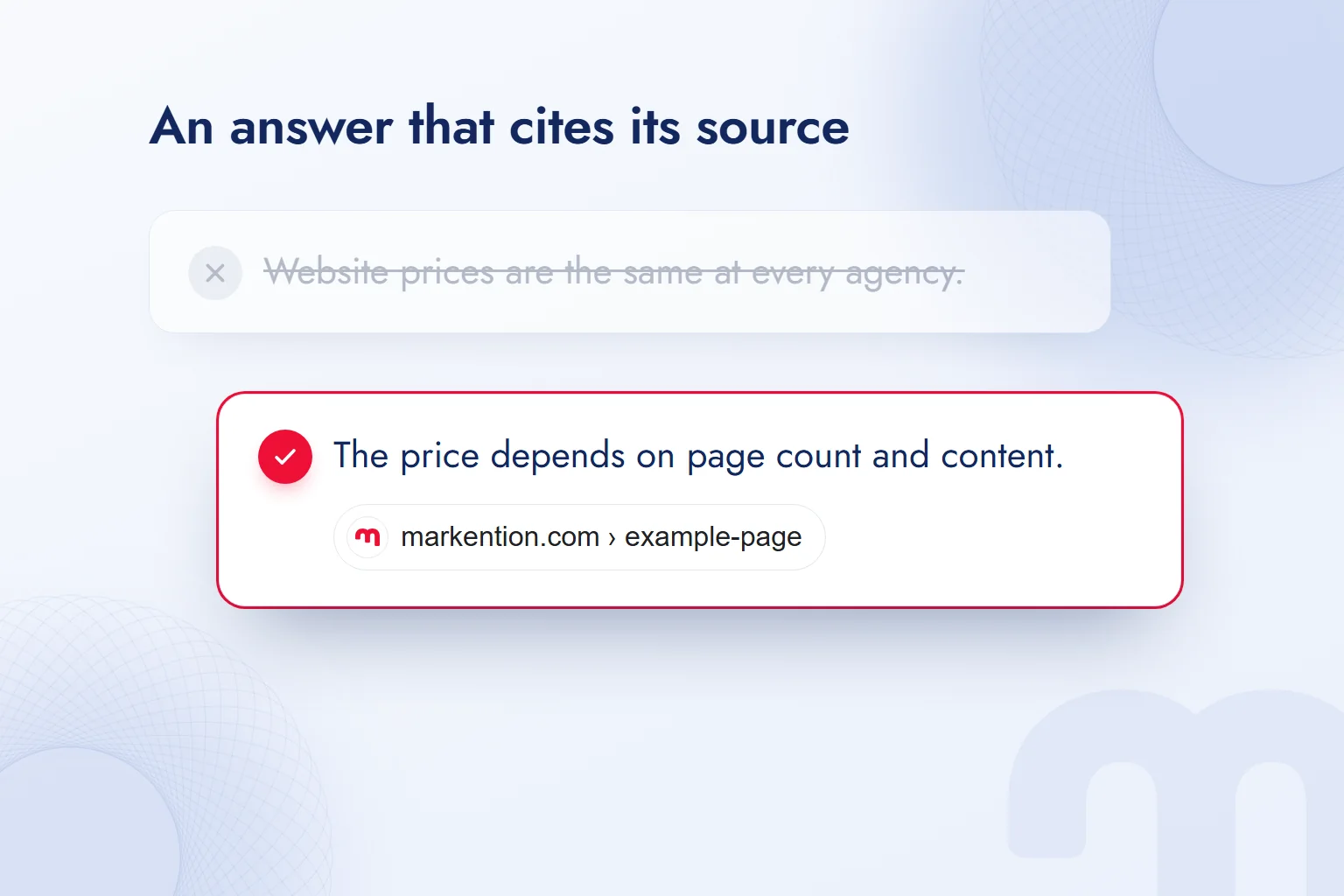
A confident tone is not proof of accuracy. When reviewing a brand description, we check the service name against the service page, the address against contact details and the price against an approved price source. If a source is cited, we read whether it really supports the claim.
We add “Use only the information in the text provided; mark missing information as missing” to the prompt, then check the answer against that source. No price in the source means no price in the draft. If a founder’s name is wrong, we confirm the correct one, then fix the pages carrying it and the answer.
Where does an LLM learn about your brand?
An LLM learns about your brand from its training data and from sources it searches while answering. We check what the model says, whether it searched and which source it used.
Usually it is one of these:
- It does not know the brand → With no brand information in training data and search off, we check sources and access, and make the pages about the brand clear.
- It gives outdated information → We consider the training cutoff, check the current brand page and whether search is used, and compare the old address with the current source.
- It gives wrong information → We look for hallucination and inconsistent sources, and fix a wrong service definition, brand name or contact detail wherever it appears.
For a brand to appear correctly in LLM answers, we work in this order:
- We clarify brand informationWe confirm the brand name, service definition, address and contact details, and set the reference text.
- We align sourcesWe compare the website, business profiles and other sources, and fix conflicting or outdated details.
- We check accessWe review whether search bots reach the relevant pages and what robots.txt allows, and keep the sources we want seen accessible.
- We write a direct answerOn the relevant page, one clear sentence says what the brand does and which services it offers.
- We verify the answerWe review the model’s brand description again and compare services, address and contacts with the sources.
For crawl checks, we use the permission framework from our what is robots.txt guide. In GEO consulting, we handle content consistency and source access together. One correct answer does not prove everything is fixed; we keep checking.
How does a marketing team use an LLM?
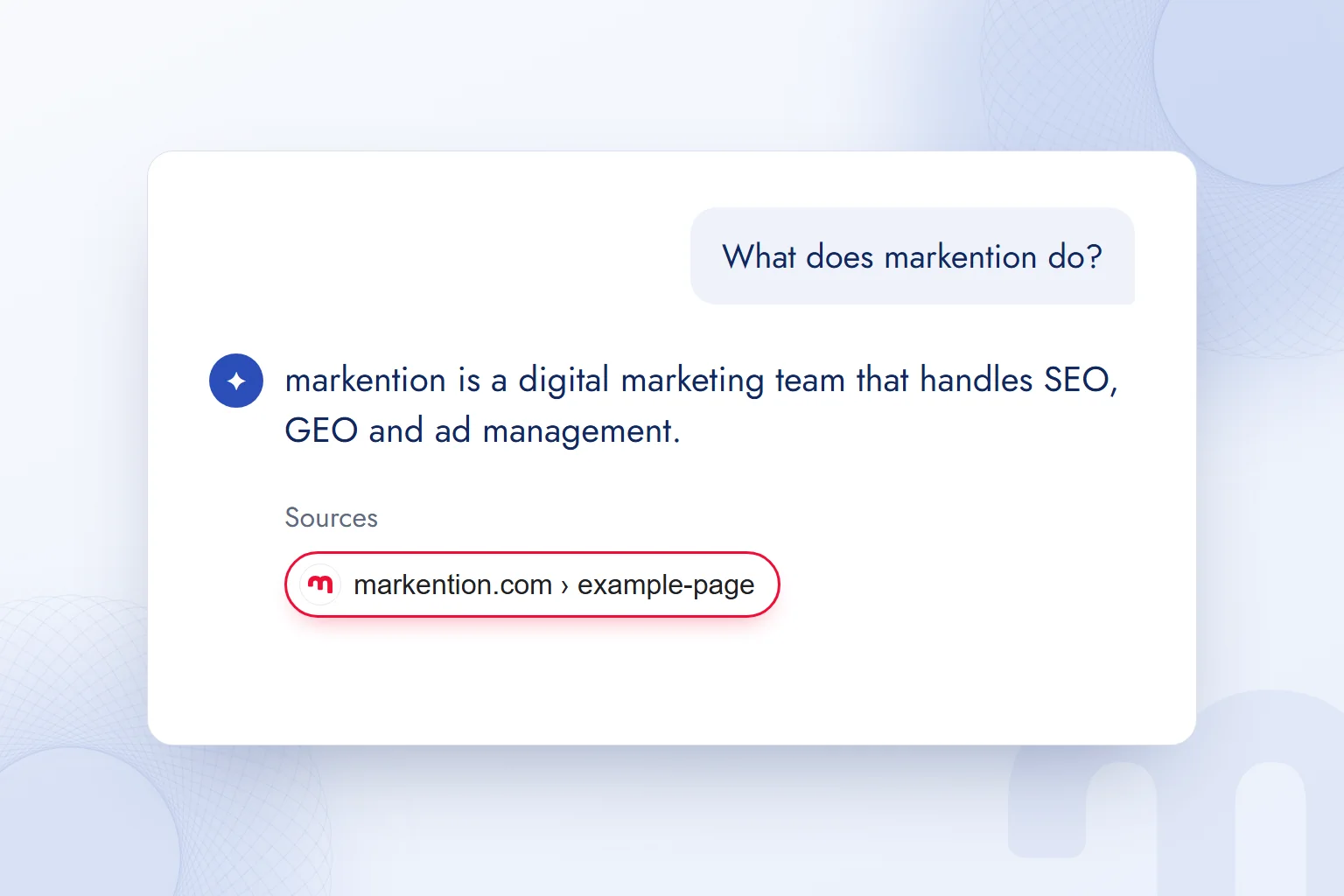
A marketing team uses an LLM for drafting, summarising documents and analysing data it supplies; we verify the result as editors. Before choosing a task, we set the output we want and the source we will verify against.
| Situation | What we do |
|---|---|
| Drafting | We give the prompt and source information, run the output through editorial review and check any service or price claims the model added. |
| Summarising or comparing documents | We supply the sources; we fix gaps that change scope in a summary and statements that contradict the documents in a comparison. |
| Measuring and analysing | We supply the data, compare the answer’s figures with the report and never let the model fill in missing measurements. |
A sample comparison request: “Compare the two service texts we provided. List shared services and differences in scope separately. State which text each difference comes from; do not add services absent from the documents.” We then separate wording differences from real service differences. We decide from the document, not the model’s interpretation.
Fine-tuning trains a model on extra data for a specific task. Most marketing work is solved with a prompt and source text: we clarify the task, provide the document and check the output. We build prompts on the task and source split from our what is a prompt guide.
What mistakes do people make with LLMs?
The main mistakes are treating training knowledge as current, letting the model fill in missing sources and counting a fluent answer as verified. We start each fix at the error’s source.
If a long prompt lacks product information, we add the source text, not more instructions. When correcting an answer with a wrong address, we also remove the old address from the website. A convincing explanation never makes a report figure correct.
In every text prepared for publication, we check what each service, price and brand detail rests on. Missing sources are completed before the draft is reviewed again. Our articles on brand visibility in AI answers are on the markention blog.
Frequently asked questions
What is an LLM, in short?
An LLM is an AI model trained on large text collections that writes by predicting the next token. LLM stands for “Large Language Model”.
Is a token the same as a word?
Not always; a word may be one token or several. Agglutinative languages such as Turkish split words more often.
What does the context window limit?
It limits how many tokens the model considers at once. We size source texts and pick the sections a task needs accordingly.
Does an LLM know current information on its own?
Not beyond its training data cutoff. Current information needs a search during the answer or documents provided to it.
What is the difference between RAG and fine-tuning?
RAG generates the answer with information retrieved from sources. Fine-tuning trains the model on extra data for a specific task.
What if a model gives wrong information about my brand?
We compare the answer with current brand sources and fix inconsistent service and contact details, then check source access and verify the new answer.

 What is Google AI Mode? AI Mode vs AI Overviews and your siteRead article
 What is Microsoft Copilot? How it works and how to get citedRead article
 What is robots.txt? How to create it and allow AI crawlersRead articleMost read
 What is GEO? Generative Engine Optimization and AI answer citationsRead article
 What is a browser? Browser examples and setting a default browserRead article
 What is an audience in advertising? Audience types and how to chooseRead article
 Advertising on ChatGPT: Ads Manager, Targeting and Your First CampaignRead article
 How to advertise on Google: account, first campaign, budget, trackingRead article
Questions & answers
0 commentsNo questions yet; you can ask the first one.