





 Cihat Murat Yüksel
7 min read
Cihat Murat Yüksel
7 min read
What are ads? How Google, Meta and ChatGPT ads work alike
What does ads mean? How Google, Meta and ChatGPT ads share one logic, how CPC and CPM pricing works, how Google Ads differs from AdSense, and how to pick a first platform.Pro
Contents 9 sections
Ads is the plural of “ad”, short for “advertisement”; in digital marketing it usually means paid advertising on platforms such as Google Ads and Meta Ads. On these platforms an is the shared mechanism that decides where an ad appears.
We start an ad decision from where the customer is: typing a need into a search box, discovering a product in a feed, or comparing options in a chat? Google, Meta and ChatGPT show ads in these different moments. We choose the platform with the goal, pricing and measurement.
An ad platform is chosen by customer intent, and the budget is managed by measured conversions.
What does ads mean, and what are online ads?
Ads means “advertisements”; in digital marketing it refers to paid ads and the platforms we manage them on. It is not one company’s product name; in Google Ads, Meta Ads and ChatGPT Ads it means the same, while matching varies by platform.
An advertisement is how a business introduces its product, service or message to a defined audience. We first set the result we expect, then pick the placement that fits it.
Each case has its own answer:
- The meaning of the word is asked → We separate “ad” (singular) from “ads” (plural) and name the platform separately.
- A Google Ads account is sought → We point to the advertiser panel a business uses to run ads and spend a budget.
- Earning with AdSense is the goal → We look at the publisher side, where a site owner earns by showing ads.
How do ad platforms work?
Ad platforms match an ad to a suitable audience or context for the goal we set, decide impressions through an auction and measure results. We manage these steps as one process.
In the auction, bid and relevance are weighed together. In Google search ads, bid and ad quality determine the ranking. So before raising a budget, we check how well the message fits the customer’s need.
| Platform | Where it shows | What it matches on | Pricing | Measurement |
|---|---|---|---|---|
| Google Ads | Search, YouTube, Gmail, Display Network, Maps | Query and keyword in search ads | CPC or CPM by campaign; CPA target | Conversion tag and server-side API |
| Meta Ads | Facebook, Instagram, Messenger, Threads, Audience Network | Demographics, interests, custom and lookalike audiences | Click or impression by campaign | Meta Pixel and Conversions API |
| ChatGPT Ads | “Sponsored” unit below the answer | Conversation context | CPM, CPC, oCPC/oCPM | OpenAI Pixel and Conversions API |
We read impressions, clicks and conversions separately. An impression means the ad was seen, a click is an interaction, and a conversion is the business result we chose. In a sales campaign we never treat clicks as sales.
What is Google Ads?
Google Ads is the platform businesses use to run ads in Google Search, YouTube, Gmail, the Display Network and Maps. It was formerly called Google AdWords.
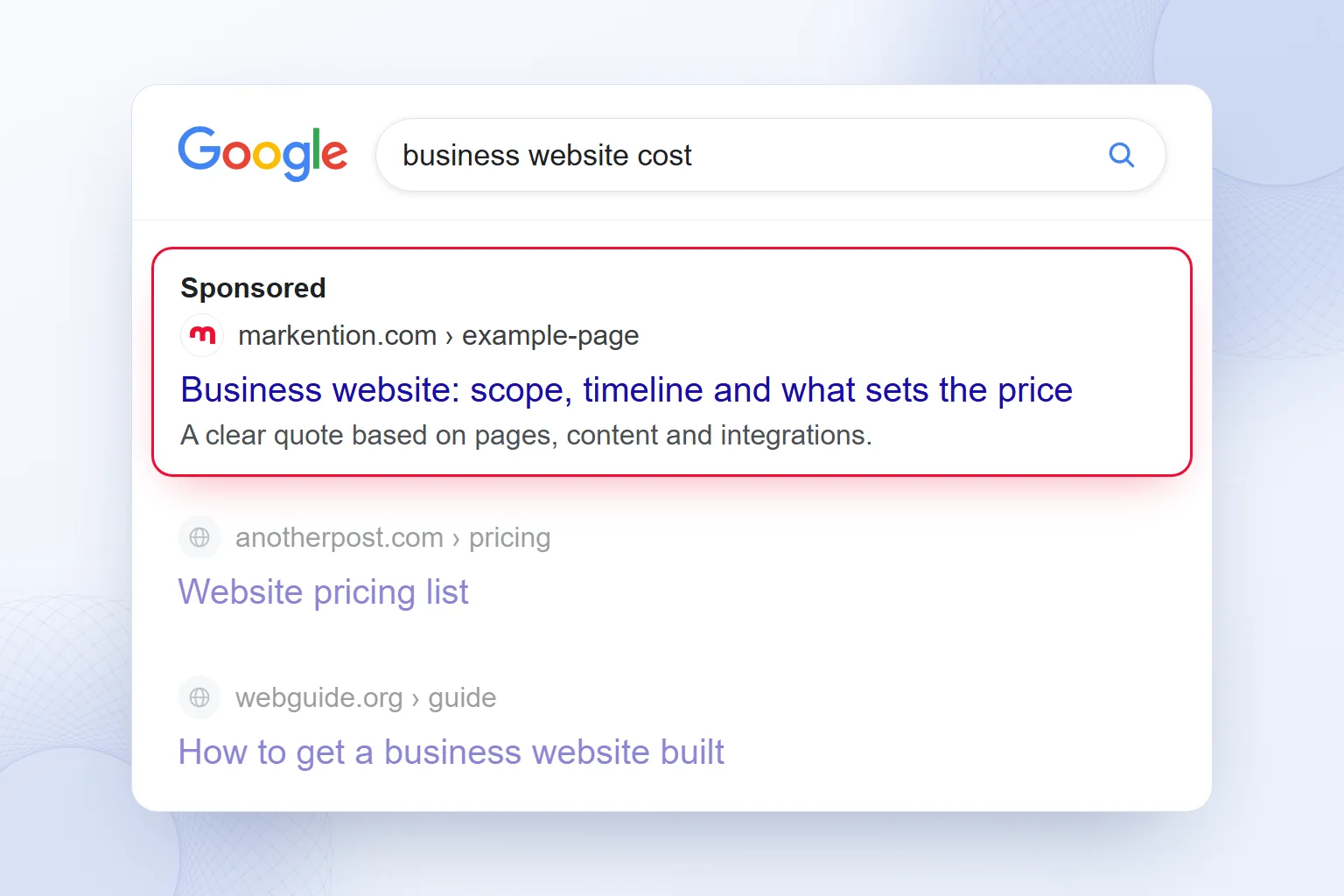
In a search ad, the user’s query is matched with the advertiser’s keyword. For “business website cost”, we build a message that answers the price question. The landing page meets the same need; a keyword list alone does not make a campaign.
Campaign types are Search, , Display, Video, Demand Gen, Shopping and App. We do not limit Google Ads to text ads above search results. Still, to reach a customer who states a need in a query, we start with a Search campaign.
In Google Ads consulting we handle goal, query, ad message and measurement together. We pick the campaign type by the expected result.
What is Meta Ads?
Meta Ads is the ad platform for Facebook, Instagram, Messenger, Threads and the Audience Network. Its panel is called Ads Manager. ChatGPT’s panel is also named Ads Manager; they are separate products.
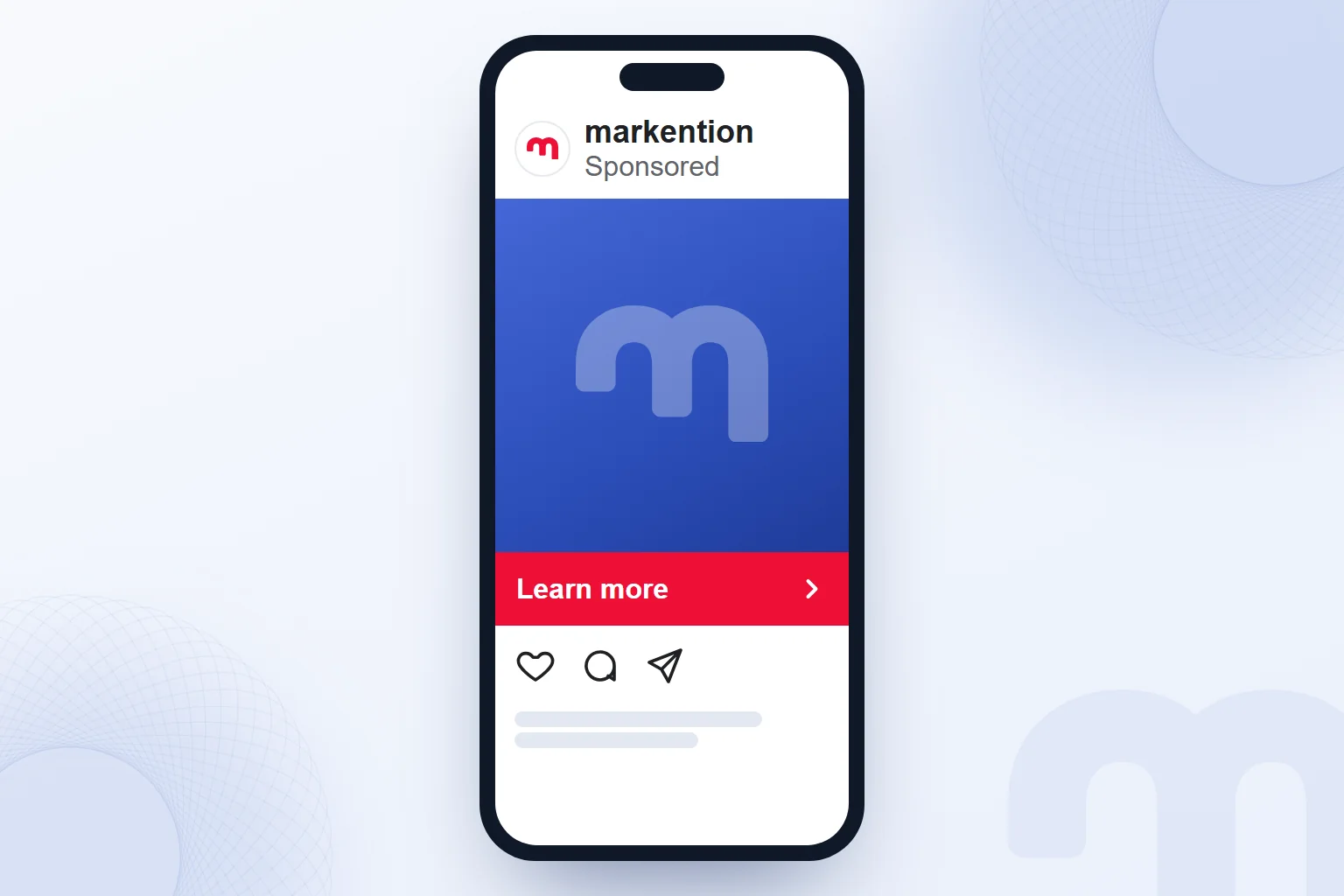
On Meta we match the ad through demographics, interests, custom audiences and lookalike audiences. In a feed where visual products are discovered, we build message, image and expected action together.
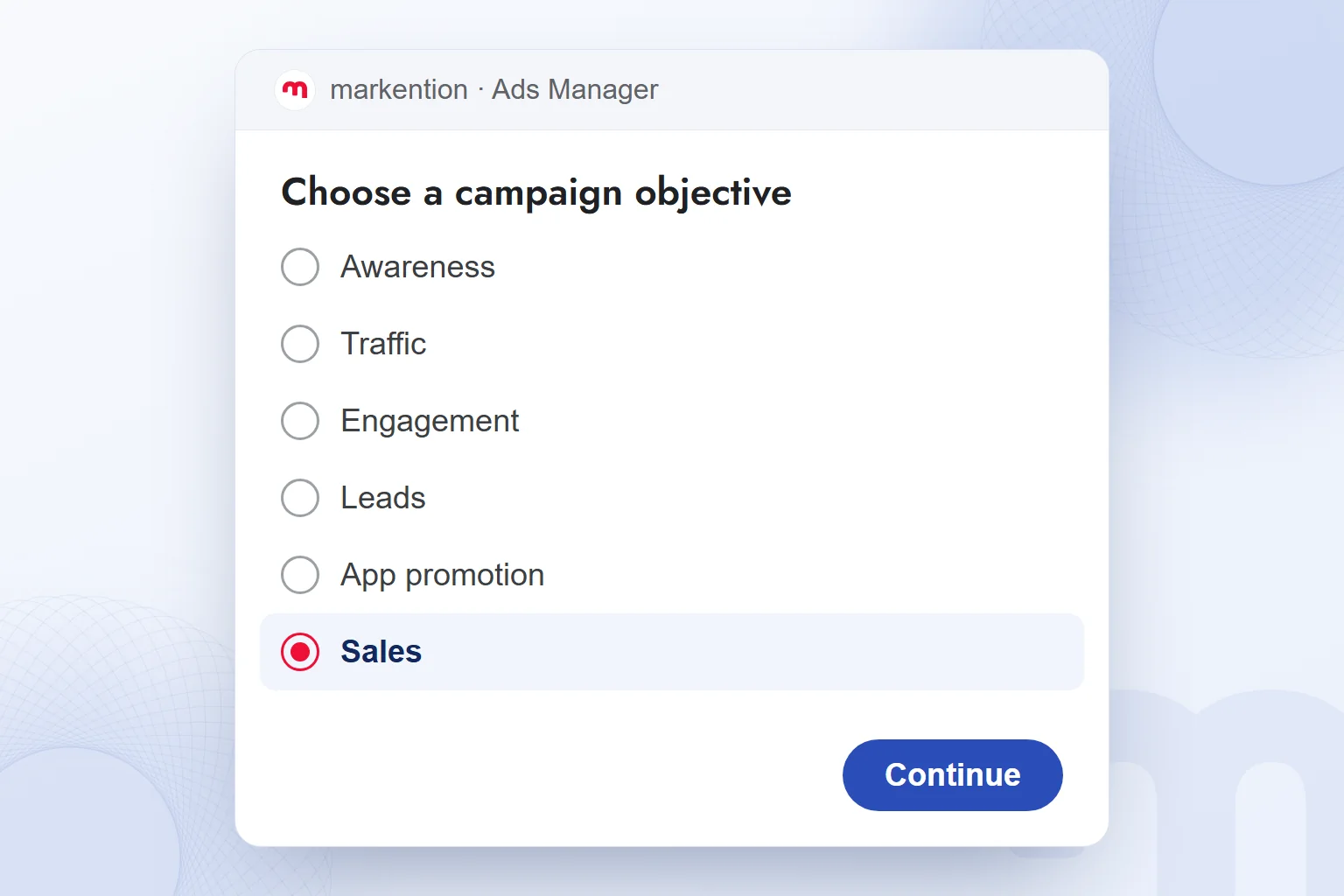
Campaign objectives are Awareness, Traffic, Engagement, Leads, App promotion and Sales. We match the objective to the business goal: a site visit and a sale are different results. For measurement we use the and the Conversions API.
To study ad examples, we review message and image choices in the ad library. In Meta Ads consulting we combine that review with our own objective and measurement; another ad’s look is not a success measure.
What are ChatGPT ads?
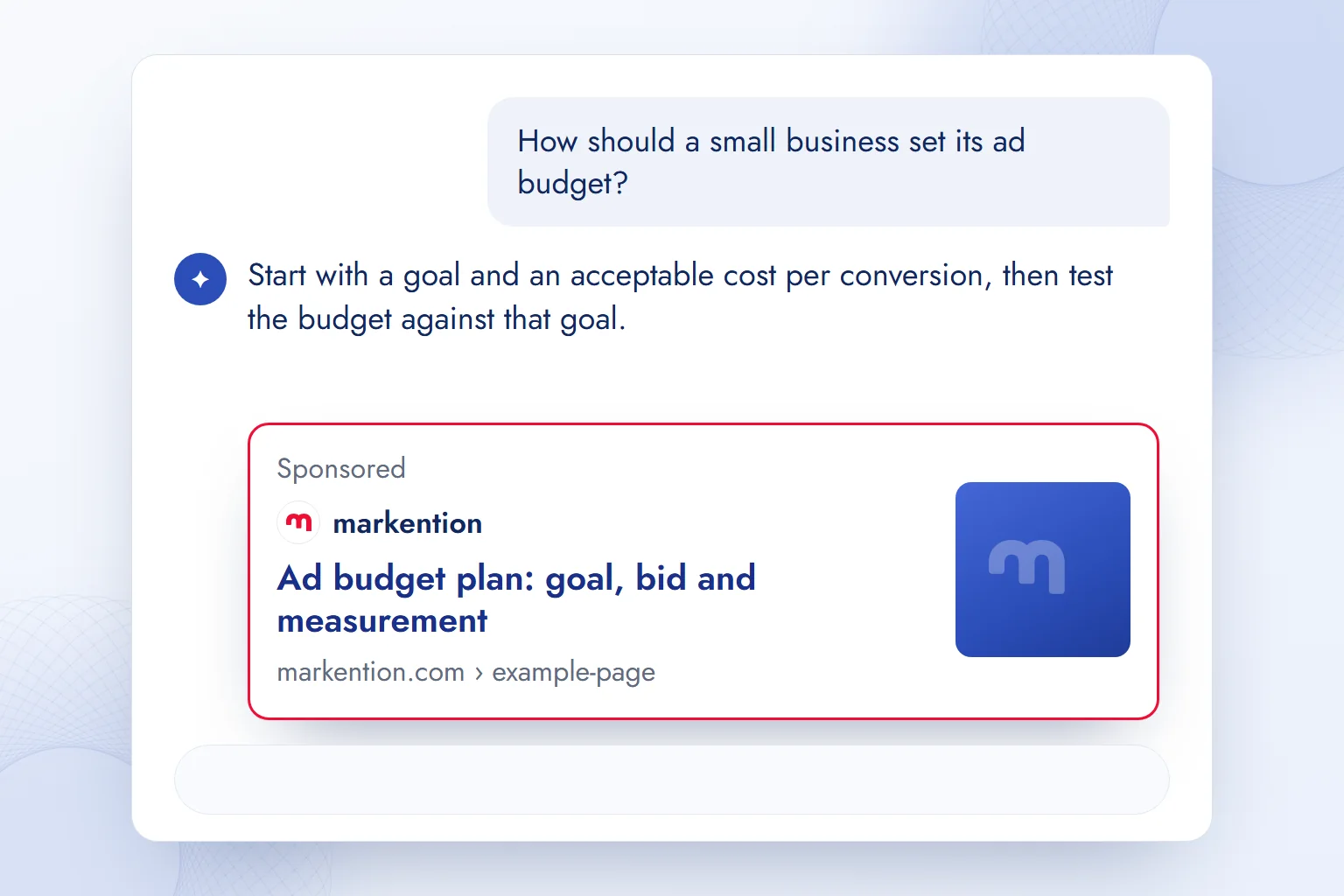
ChatGPT Ads is an ad system that shows ads in a separate “Sponsored” unit below a chat answer, matched to the conversation context. The ad does not change the answer. There is no keyword targeting; we shape the creative around the topic the user researches and the options they compare.
OpenAI’s ad system opened for testing in the US on February 9. A gradual beta with Ads Manager, CPC, Pixel and Conversions API began in the US on May 5. In Europe it reached 31 markets on August 18 and more than 40 countries in total on August 31.
Self-serve access is expanding country by country; the current list is in the OpenAI Help Center. When planning campaigns for Turkey, we verify country access. We never assume availability in another market applies to Turkey.
The minimum daily budget and the cost-per-click bid are separate settings. OpenAI’s 3–5 USD suggestion is a starting maximum bid, not a fixed click price.
We set up measurement with the OpenAI Pixel and the Conversions API. To advertise on ChatGPT, we plan the message, the conversation context and the conversion together.
How are ads priced: CPC, CPM and CPA?
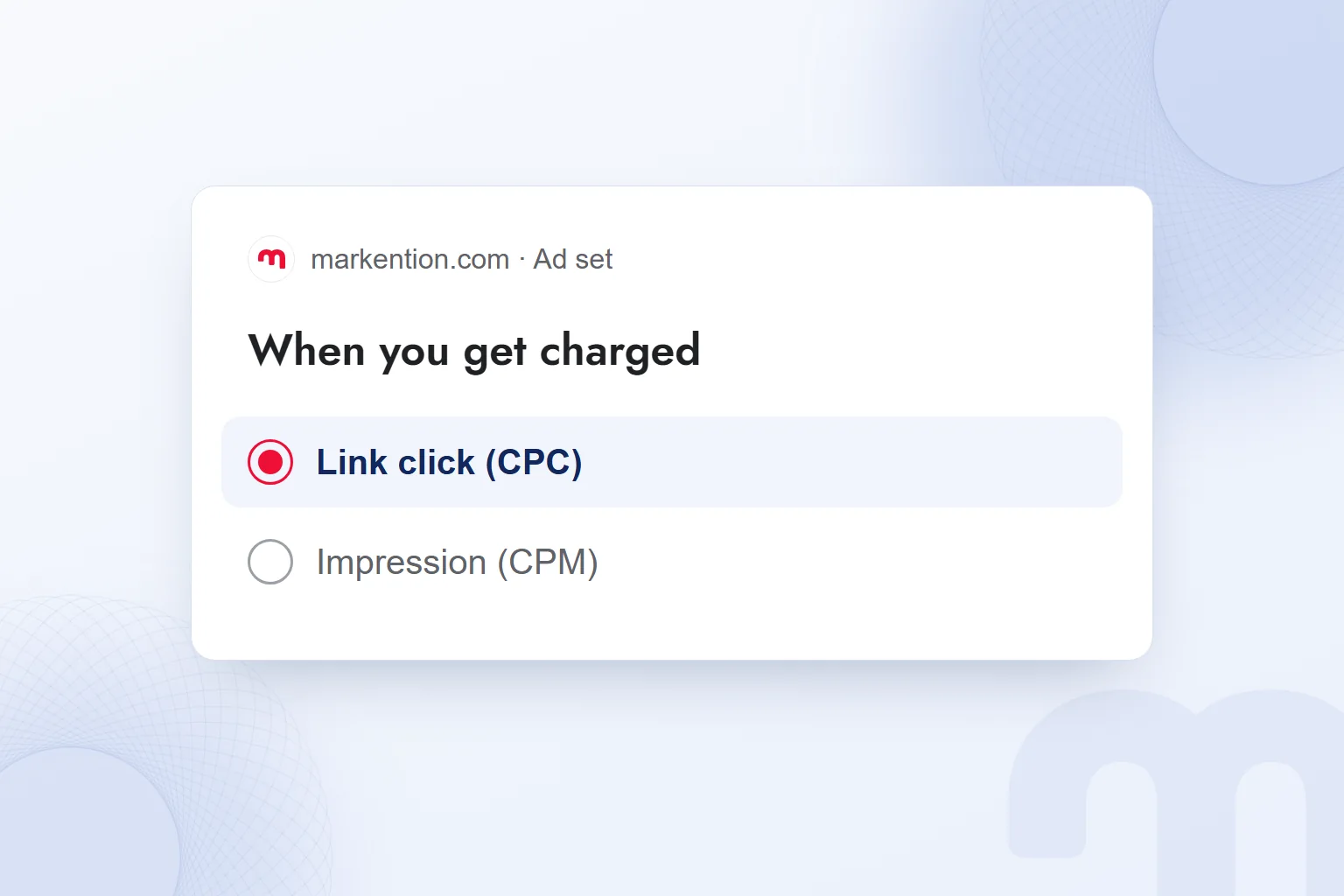
CPC is the cost per click, CPM the cost per thousand impressions, and CPA the cost per acquisition, also the cost level targeted in a related bid strategy. We assess the payment unit, the bid target and the actual result separately.
- CPC: Cost per click. PPC, pay per click, is the general name of this model; it is not a separate ad platform.
- CPM: Cost per thousand impressions. It rests on the ad being seen; we never treat impressions as clicks or sales.
- CPA: Cost per acquisition, that is, per conversion. Target CPA is the cost level we want the system to reach; it does not mean you pay only when a conversion happens.
We read actual CPC as spend divided by clicks, and CPA as spend divided by conversions. For CPM we divide spend by impressions and multiply by a thousand. We define the conversion at the start; a sale and a form submission are not the same result.
With smart bidding, the system adjusts the bid in every auction. ChatGPT Ads also offers oCPC/oCPM besides CPC and CPM. A low cost per click is never a good result on its own; we also check the cost of the acquisition we aimed for.
What is the difference between Google Ads and AdSense?
Google Ads is where advertisers pay; Google AdSense is where site owners earn by showing ads. In Google’s ad setup they sit at the two ends of the same auction.
We manage a Google Ads budget to promote a business’s product or service. A site owner who wants to earn from ads on their own pages moves to AdSense. One side buys ad space; the other offers it.
We settle the choice by the flow of money: will the business spend to win customers, or will the site earn from ad impressions?
Which ad platform should you start with?
We choose the starting platform by the customer’s search, discovery or research behavior. We first find the moment the customer needs our offer, then match the placement and the result to measure.
| Situation | What we do |
|---|---|
| The customer is searching for the need | With search intent present, we start with Google Ads Search and match the query to our offer. |
| A visual product is being discovered | We choose Meta and prepare image and message for the campaign objective. |
| The audience is researching in a chat | After verifying country access, we assess ChatGPT Ads and build comparative content for the conversation context. |
The first campaign follows a shared order:
- We choose the goalWe clearly define the expected result, such as a sale, an application or a visit.
- We set up matchingDepending on the platform, we tie the query, audience or conversation context to our offer.
- We set budget and bidWe decide the spending limit, pricing model and target cost separately.
- We prepare the creativeWe shape text, image or video around the customer’s need and the chosen goal.
- We set up measurementWe track results through a conversion tag or pixel plus a server-side API.
- We improve by resultsWe compare spend and conversions and renew bid, audience and creative decisions with that data.
When comparing platforms, we use the same business result. We never compare a click on one platform with a sale on another. Video ad setup is covered in how to advertise on YouTube, and our advertising posts apply the same approach to goal, creative and measurement.
Frequently asked questions
What does ads mean?
Ads means “advertisements”. It is the plural of “ad”, short for “advertisement”, and appears in the names of ad platforms.
Are Google Ads and Google AdWords the same?
Google AdWords is the former name of Google Ads. Beyond search results, Google Ads also shows ads on YouTube, Gmail, the Display Network and Maps.
Are Meta Ads Manager and ChatGPT Ads Manager the same panel?
No, they are separate products that share a name. Meta’s panel runs Facebook and Instagram ads; ChatGPT’s runs ads in ChatGPT.
Does a ChatGPT ad change the answer?
No, the ad appears in a separate “Sponsored” unit below the answer. Matching relies on conversation context; there is no keyword targeting.
What is the difference between CPC, CPM and CPA?
CPC is cost per click, CPM cost per thousand impressions and CPA cost per acquisition. Choosing target CPA does not mean you pay only on conversion.
Are Google Ads and AdSense the same thing?
No; in Google Ads the advertiser spends a budget, in AdSense the site owner earns by showing ads. The choice depends on whether you advertise or offer ad space.

 How to advertise on YouTube: campaign types, targeting and costRead article
 What is ROAS? Formula, ROAS vs ROI and how to set target ROASRead article
 What is advertising? How traditional and digital advertising worksRead article
 What is an audience in advertising? Audience types and how to chooseRead article
 Advertising on ChatGPT: Ads Manager, Targeting and Your First CampaignRead article
 How to advertise on Google: account, first campaign, budget, trackingRead article
 What is an ad library? Competitor ads on Meta, Google and TikTokRead article
 What is Google AI Mode? AI Mode vs AI Overviews and your siteRead article
Questions & answers
0 commentsNo questions yet; you can ask the first one.