





 Oğuzhan Altun
7 min read
Oğuzhan Altun
7 min read
Best time to post on TikTok: finding it with your own account data
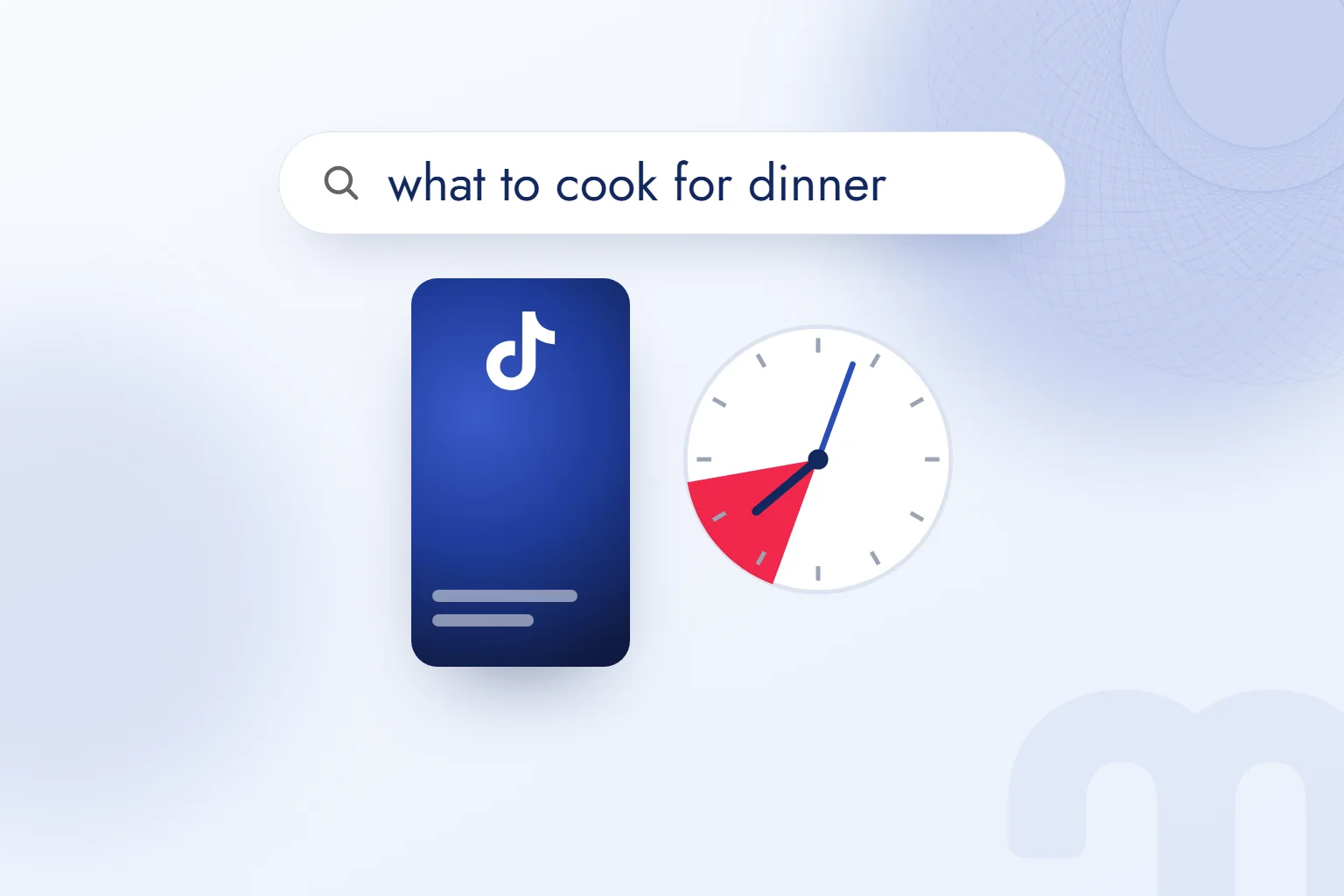
The best time to post on TikTok comes from your own follower data. We read active hours in Analytics and compare three time slots in a two-week test.Pro
Contents 9 sections
There is no single best time to post on TikTok for everyone; the best posting time is when your own followers are active and online to watch. The , or FYP, uses viewers’ reactions to a video in its recommendations.
We base the time on follower activity, test the chosen slots with similar videos and check how long the first viewers stay and whether they reach the end. So we know what data a scheduled time rests on, and low views are never blamed on the time alone.
The best posting time is chosen from follower activity, and the result is confirmed with view and completion data.
Is there one best time to post on TikTok?
No time on TikTok puts every account on the For You page; we set each account’s posting time from its own follower activity. Generic time charts carry averages from other accounts or countries, not our audience.
The starting point depends on the account:
- A new account → With no follower data, we start with a general time and switch to our own data after 30 days; the starting time is no FYP guarantee.
- A business account → We review the days and hours followers are active in TikTok Analytics and build the publishing plan on that.
- Ongoing content creation → We put regular posts into a time test and compare how similar videos do in different slots.
On a new account, the first choice is only a starting point; once data builds up, we follow audience activity rather than habit. On business and content creator accounts too, a time chosen once is never a fixed rule.
How does the TikTok For You page work?
The TikTok For You page recommends videos using user interactions, video information, and device and account settings. TikTok names three groups, which we assess separately:
- User interactions: likes, shares, comments, watch time and watching to the end.
- Video information: captions, sounds and hashtags.
- Device and account settings: language, country and device type; these weigh less than the other groups.
According to TikTok, follower count and an account’s earlier high-performing videos are not direct factors in recommendations. So we judge each new video by its own view and completion data, not the account’s past views.
Good timing reaches the first viewers while they are online; whether they keep watching depends on the content.

What decides when a video reaches the For You page?
The right time to post for the For You page changes with the days and hours the account’s followers are active. We treat that time as a starting point and test it against results.
We never move a chart built on another country’s time zone into a plan for an audience in Turkey, nor borrow another account’s times. First we check which account, period and time zone the data covers.
We keep the moment of posting and the first viewers’ behaviour in the same record. We never settle the effect of time from high views alone; we compare the same slot across similar content.
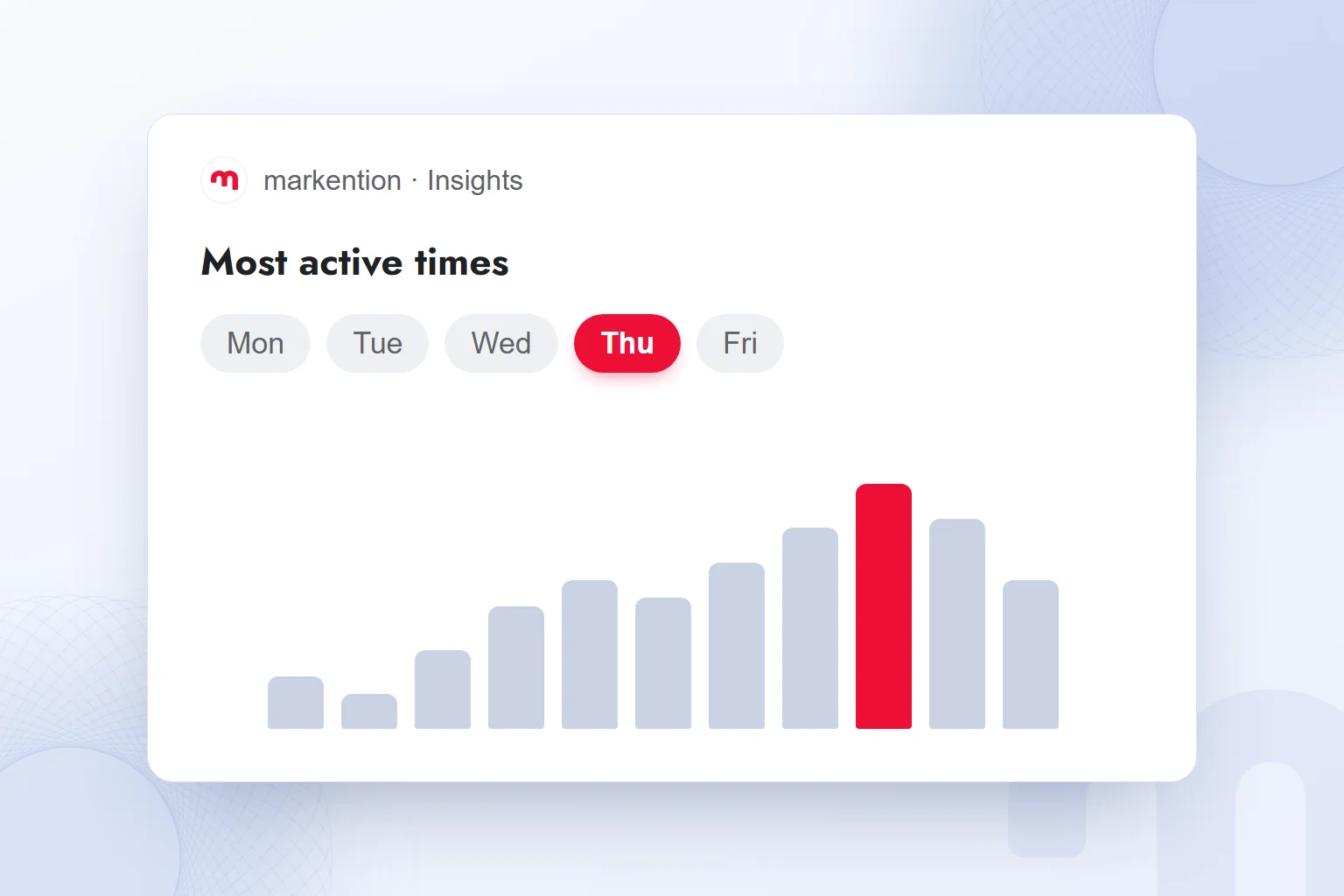
How do you find when your followers are active in TikTok Analytics?
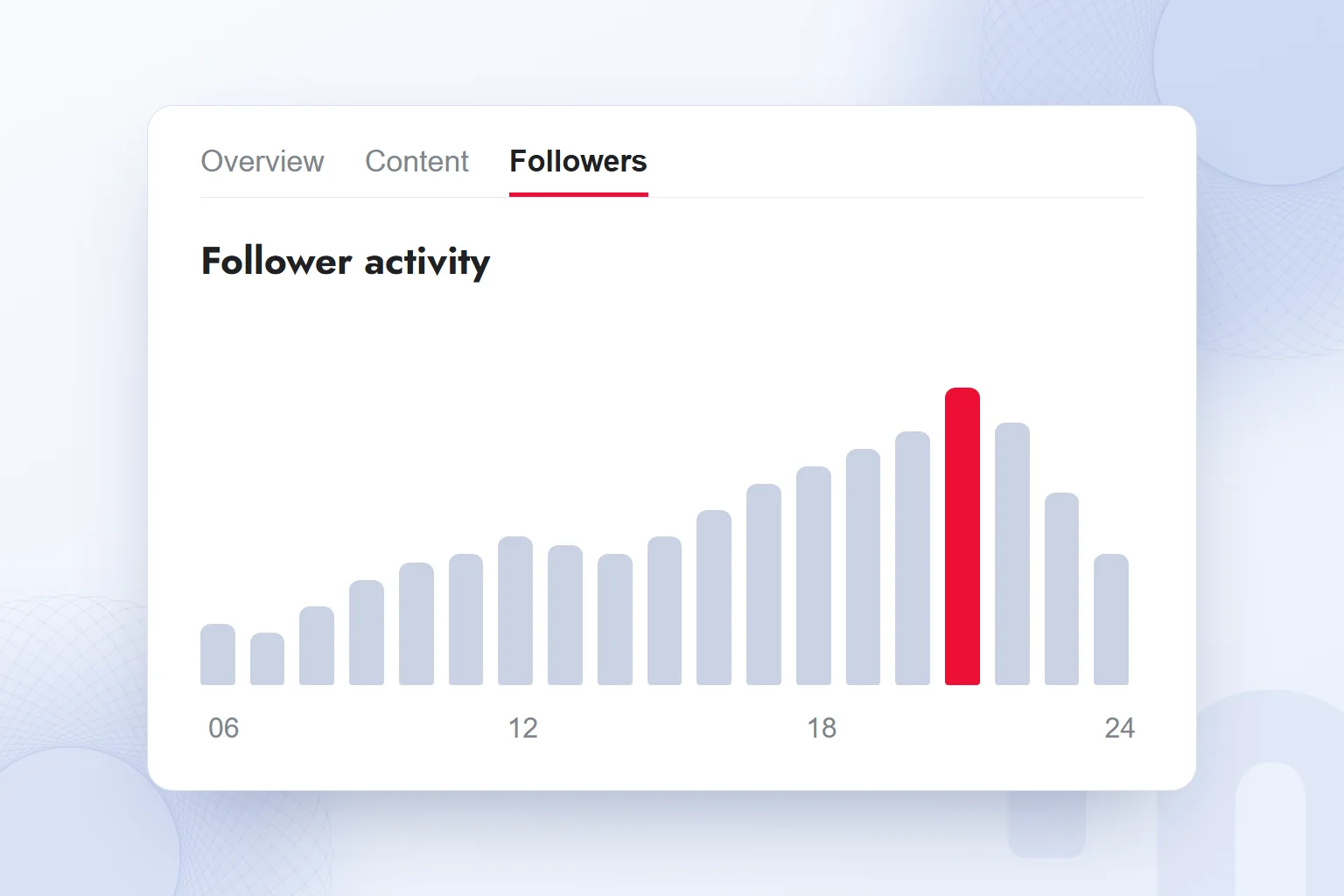
We find follower activity in by opening Analytics in the creator tools and reviewing the day and hour data in the “Followers” tab. First we check that the time zone on screen matches the audience’s local time (Turkey time, UTC+3, for an audience in Turkey); the scheduled time rests on that match.
We record the peak slot, mark the hours around it as test candidates and note the period we looked at, so later comparisons start from known data.
Follower activity picks the time; content metrics judge the result.
| Metric | What it tells us | Where to find it |
|---|---|---|
| Views | How many times the video was viewed | Video data in TikTok Analytics |
| Average watch time | How long viewers stay in the video on average | Video data in TikTok Analytics |
| Completion rate | The share of views that reach the end | Video data in TikTok Analytics |
| Shares | How many times the video was shared | Video engagement in TikTok Analytics |
| New followers | Followers gained in the period reviewed | Follower data in TikTok Analytics |
The core comparison uses the first three metrics. Shares and new followers are supporting information; a period’s new followers are never all credited to one video. We keep the metrics in one place with the approach in our what is a dashboard post.
How do you test the best time to post?
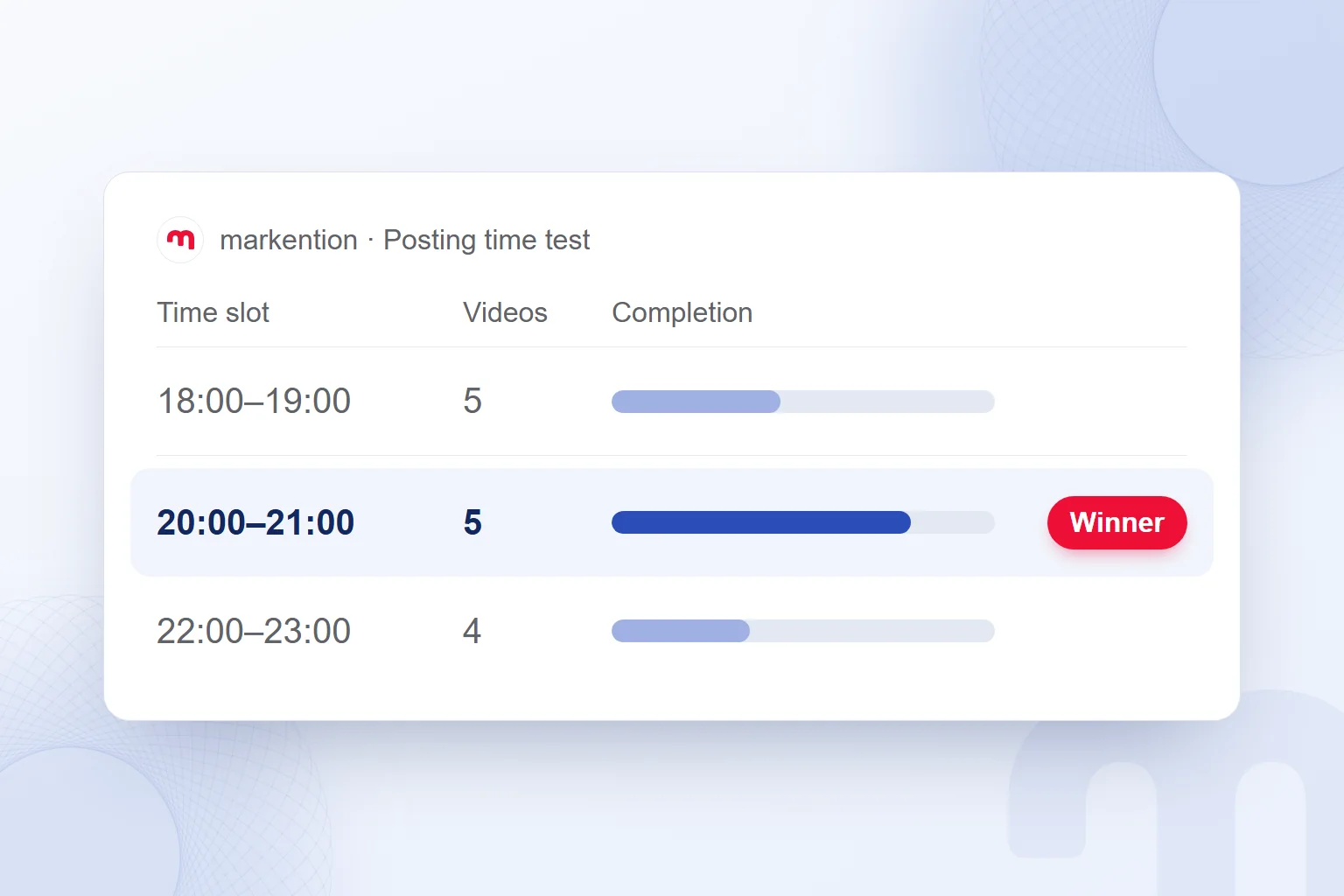
We test it by rotating the same type of video across three time slots for two weeks and comparing each video’s first 24 hours. This is our test method, not a TikTok condition for the For You page.
- We pick the timesFrom follower activity: the hour before the peak, the peak hour and a separate evening slot.
- We match the contentSame video type, comparable topic and style; only the time changes.
- We rotate the postsFor two weeks we publish in rotation and record each post’s time.
- We record the resultsWe log each video’s first-24-hour views, average watch time and completion rate.
- We compare the slotsWe review all similar videos per slot across the three metrics, never just one.
- We update the planThe winner goes into next month’s plan; the data behind it is kept.
For example, when testing recipe videos, we spread recipes in the same style across the slots; a recipe at one time and a different format at another would make the gap meaningless. If the peak is already in the evening, the third candidate must not repeat it.
We never simply pick the most viewed video. Alongside views we read average watch time and . If the metrics favour different slots, there is no winner yet, and we keep comparing. A shared measurement window keeps a multi-day total from being set against a first day.
The winning slot applies only to that account; we never use it on another account untested.
What if a video doesn’t reach the For You page?
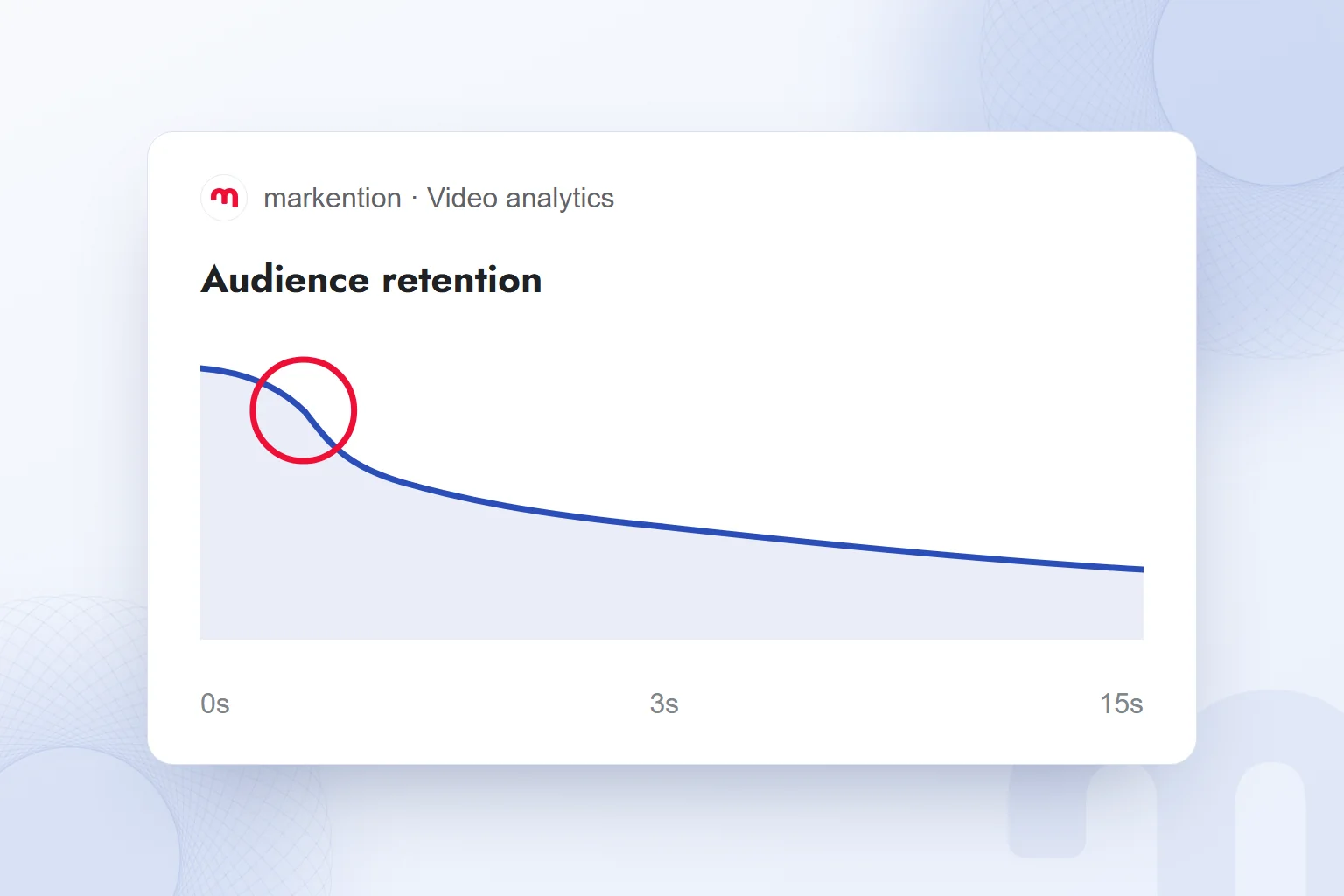
If a video doesn’t reach the For You page, we review the opening, watch time and posting time separately and fix what we find. Low views alone are no proof of a wrong time; first we look at where viewers left.
Three different needs, three different responses:
- Viewers leave in the first seconds → We rework the opening to show the topic directly.
- Watch time is low → We cut slow stretches and assess the new video’s watch time and completion together.
- The posting time misses follower activity → We move it into the active slot and retest.
For “how to get on the For You page”, we address keeping viewers in the video along with timing. If a recipe video has a long intro that doesn’t show the dish, we fix that first. If the opening and the time changed together, we never credit the result to time alone.
In organic marketing work we tie content decisions to these measurements.
Does the same method work for Instagram posting times?
Yes, for Instagram posting times we apply the same method, starting from the account’s own follower activity. We read when followers are most active in Instagram Insights and pick test slots there; a winning TikTok time is never carried over. We rotate similar content across the chosen times with fixed metrics and review period, so each decision rests on that account’s own results.
What are common mistakes when choosing a posting time?
The common mistakes are using generic charts without adapting them, ignoring the time zone and drawing a lasting decision from a single video. In a publishing plan we keep the data behind each time choice next to it.
Mixing video types in one test, comparing totals over different periods instead of the first 24 hours, and judging success by views alone also weaken a decision. With posting time, content type and measurement period on record, results are read under the same conditions.
We use the winning slot next month, keep tracking new videos and close every review with a decision. We covered choosing tags in our what is a hashtag post and Instagram’s short video format in what are Instagram Reels. Planning and measuring with account data runs through our digital marketing posts.
Frequently asked questions
Is the best time to post on TikTok the same for everyone?
No, there is no single For You page time for everyone. The time comes from the account’s follower activity and is tested with similar videos.
Where can I see my best time to post on TikTok?
In the “Followers” tab of TikTok Analytics, under active days and hours. We check that the time zone matches the audience’s local time.
How do you choose posting times for a new account?
With no follower data, we start with a general time and switch to our own data after 30 days. The starting time is no guaranteed rule.
How long does a posting time test take?
We test three slots for two weeks with similar videos, comparing each video’s first 24 hours.
Does posting at the right time guarantee the For You page?
No, posting time alone does not put a video on the For You page. How the first viewers watch and complete it is decisive.
Does follower count decide reaching the For You page?
According to TikTok, follower count and earlier high-performing videos are not direct factors in recommendations. We assess each video’s own data.

 What is a buyer persona? How to create one, with a templateRead article
 What is Affiliate Marketing? Commission Models and Building a ProgramRead article
 What is WhatsApp Business? Free app, Platform (API) and how to use itRead article
 What is a podcast? How podcasts work for brands and where to publishRead article
 How to create a barcode: EAN-13, Code 128 and QR codesRead article
 What is Git? Git vs GitHub and version control for marketersRead article
 What is a dashboard? Marketing dashboards, KPIs and Looker StudioRead article
 Advertising on ChatGPT: Ads Manager, Targeting and Your First CampaignRead article
Questions & answers
0 commentsNo questions yet; you can ask the first one.